

cogvlm-base-490-hf
cogvlm-base-490-hf is a Hugging Face checkpoint of CogVLM, an open-source visual language model that can chat with users about images. The model card is now hosted under the zai-org organization (Z.ai), and the project was originally published by THUDM at Tsinghua University. The card does not explain what the "490" in the name refers to, so this entry does not guess at an input resolution.
Model Specs
| Spec | cogvlm-base-490-hf |
|---|---|
| Publisher | Z.ai (zai-org), originally THUDM |
| Type | Vision-language model, image plus text in, text out |
| Size | CogVLM-17B: about 10B vision parameters and 7B language parameters; the Hugging Face listing shows 18B in BF16 |
| Components | Vision transformer encoder, MLP adapter, pretrained language model, visual expert module |
| Code license | Apache-2.0 |
| Weights license | A separate Model License, as described on the card |
| Paper | CogVLM: Visual Expert for Pretrained Language Models |
Key Features
- Visual expert design: according to the card, the model adds a visual expert module to a pretrained language model instead of only bolting a vision encoder onto it.
- Image chat and VQA: the card describes multimodal conversation about images, and tasks such as captioning and visual question answering, with a Transformers quickstart that takes an image and a text query.
- Vendor benchmark claims: the authors report state-of-the-art results on 10 cross-modal benchmarks and second place on several others, including VQAv2 and TextVQA. These are the authors' own claims, not independent measurements.
Use Cases
- Research on visual-expert architectures and open vision-language baselines.
- Reproducing or comparing against the CogVLM paper's results.
- Local experiments on image question answering and captioning where weights must be self-hosted.
A limitation: this is an early open VLM. Newer open vision-language models exist, and the card's own license note means you should read the Model License before any commercial use.
Getting Started
- Read the model card and the CogVLM GitHub repository, which holds the code, paper and license files.
- Load the model with Hugging Face Transformers using the example on the card.
- Plan for a large GPU: the sibling cogvlm-chat-hf card says inference needs about 40GB of GPU memory, or a split across several smaller GPUs with accelerate. Check the base-490 card for its own requirements.
- Test on your own images before relying on it.
FAQ
What is cogvlm-base-490-hf?
An open-source CogVLM vision-language checkpoint on Hugging Face, from the team now listed as Z.ai.
How large is it?
The card cites 10B vision and 7B language parameters for CogVLM-17B, and Hugging Face lists 18B parameters in BF16.
What license does it use?
The repository code is Apache-2.0, while the model weights are covered by a separate Model License.
What does the 490 mean?
The model card does not say, so it is unclear from first-party pages.
Alternatives
- LLaVA 1.6 34B: LLaVA-NeXT with dynamic high-resolution input.
- Qwen-VL: Alibaba's vision-language line.
- Llama 3.2 Vision: Meta's multimodal Llama release.
- DeepSeek-VL 7B: a smaller open vision-language base model.
Conclusion
cogvlm-base-490-hf is useful as an open, documented reference for the CogVLM visual-expert approach. For a first-party view of what it is and how it is licensed, start at the Hugging Face model card, and compare more vision models in the models category.
Sources
Comments
No comments yet. Be the first to comment!
Related Tools

Related Insights
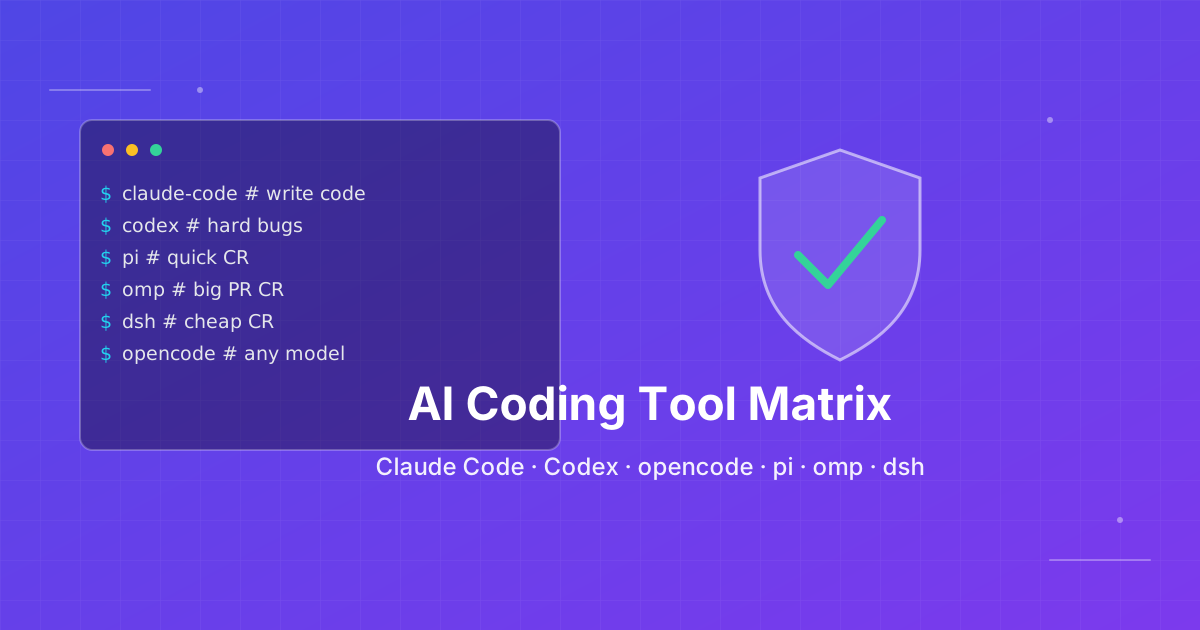
How to pick an AI coding CLI for your repo
Match Claude Code, Codex CLI, OpenCode, Pi, omp, DeepSeek Harness, and Grok Build to the work you actually run. Docs rechecked 2026-10-06.
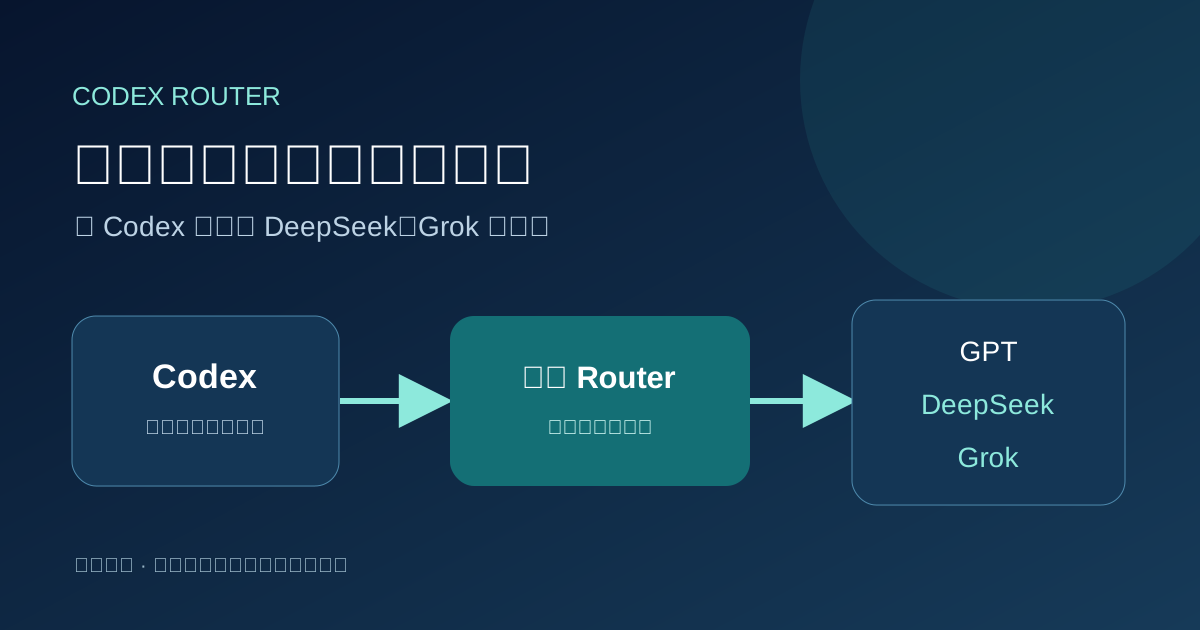
Running low on ChatGPT Codex quota? Switch to DeepSeek or Grok inside Codex
Codex Router lets you keep your Codex workspace while using DeepSeek, Grok, and other external models. A plain-English guide to routing, quotas, and network access.
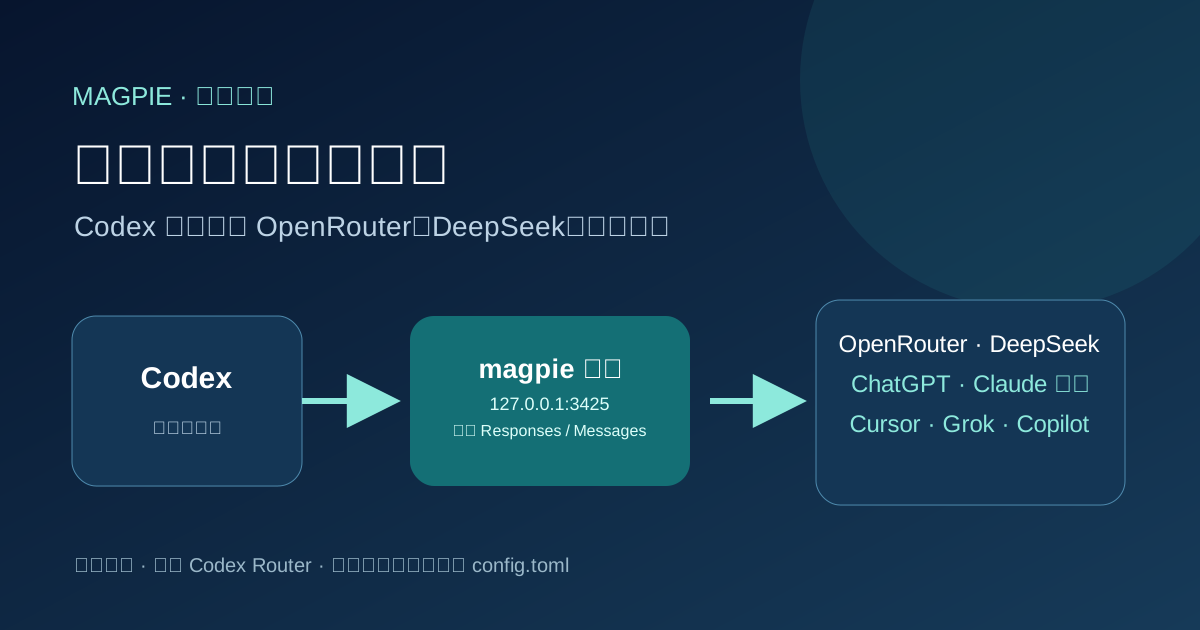
Point Codex at any model with magpie
Install magpie, add a local or signed-in provider, then switch Codex to that model. Rechecked against official magpie docs on 2026-10-06.