

GPT-6.1 Sol is an OpenAI model announced on September 29, 2026. OpenAI describes it as near-Astra intelligence for coding, computer use and professional work, at one-fifth of GPT-6 Astra's standard API input and output token prices. The model identifier in the ChatGPT and Codex changelog is gpt-6.1-sol. It sits alongside GPT-6 Sol, the mid tier released a week earlier.
Key features
- Near-Astra at a lower price: OpenAI positions it as most of Astra's capability for coding, computer use and multistep professional work at about a fifth of the API price. AWS repeats the claim in terms of cost per task on DeepSWE v1.1. Both are vendor evaluations.
- Available on day one in several places: GitHub Copilot (Pro+, Max, Business and Enterprise, rolling out gradually), Amazon Bedrock (generally available) and Codex CLI 0.159.1, which made it the default model in its bundled and Bedrock catalogs.
- Plan-dependent in ChatGPT: the changelog says availability depends on plan and workspace settings.
Use cases
- Agentic coding and terminal workflows where Astra-level results matter but Astra pricing does not fit.
- Computer-use and document-heavy business workflows that run at high volume.
- A cheaper default inside Codex or Copilot when you still want a current GPT-6 generation model.
Pricing
OpenAI states the price as one-fifth of GPT-6 Astra's standard API rates. Check the OpenAI API pricing page for the current per-token numbers, and note that GitHub Copilot bills it at provider list pricing under usage-based billing.
Quick start
- In Codex CLI 0.159.1 or later, GPT-6.1 Sol is already the default model.
- In GitHub Copilot, open the model picker and look for GPT-6.1 Sol; the rollout is gradual and Business or Enterprise admins can control access through model policy.
- On Amazon Bedrock, pick GPT-6.1 Sol in the console or call it through the supported APIs.
- Run 20 to 50 of your own tasks against Astra and record cost per task before switching traffic.
Limitations
Our automated fetch of OpenAI's announcement page was blocked, so first-party facts here come from OpenAI's news feed, its changelog and the Codex release notes. Press-reported figures such as error rates are not confirmed on OpenAI's page. Treat every benchmark as a vendor claim and verify on your workload.
FAQ
How is it different from GPT-6 Sol?
Per OpenAI and AWS, 6.1 Sol improves on GPT-6 Sol for complex professional tasks including coding, document understanding and multistep workflows. The details are in OpenAI's post.
Does it replace GPT-6 Astra?
No. OpenAI presents it as near-Astra at a lower price, so Astra stays the top tier when you need the best possible result.
Alternatives
- GPT-6 Astra: the flagship when quality matters more than cost.
- GPT-6 Sol: the previous mid tier.
- Claude Sonnet 5.5: Anthropic's mid-tier model, released a day earlier.
Conclusion
GPT-6.1 Sol is worth a benchmark run if you pay Astra prices today. Start from OpenAI's announcement and the Codex CLI release notes, then compare cost per task on your own work.
Comments
No comments yet. Be the first to comment!
Related Tools

Related Insights
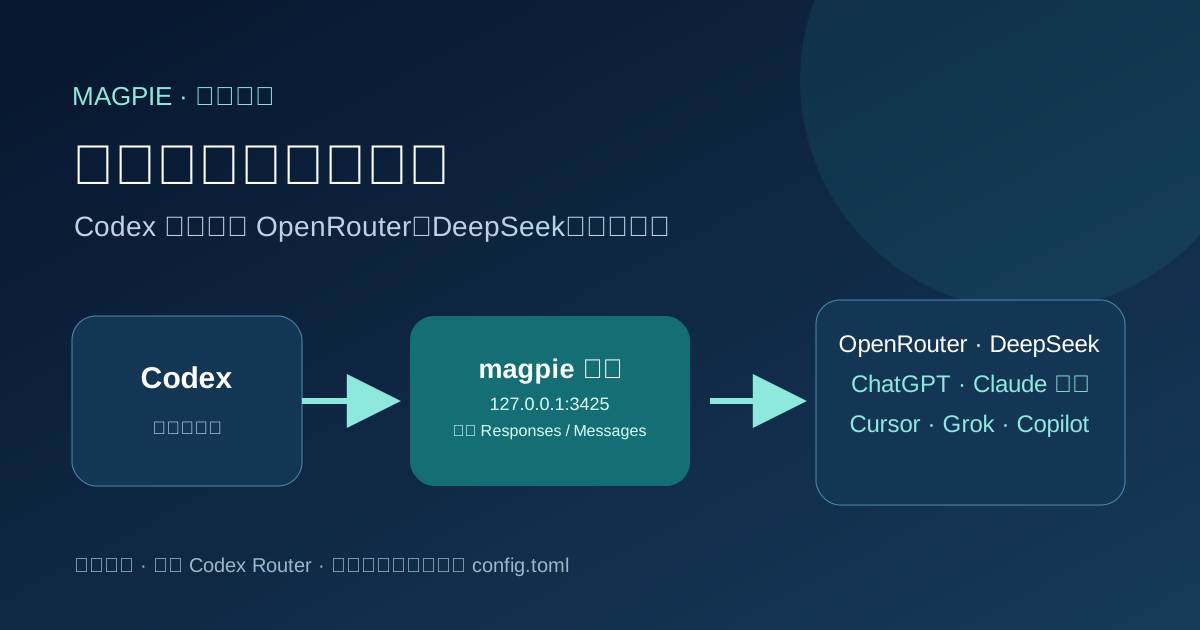
Codex on any model: magpie makes Codex Router unnecessary
magpie is a free, open-source menu bar app that runs a local gateway and puts OpenRouter, DeepSeek and your ChatGPT, Claude, Cursor, Grok and Copilot subscriptions right into Codex's own model picker, with one click and no Codex Router.
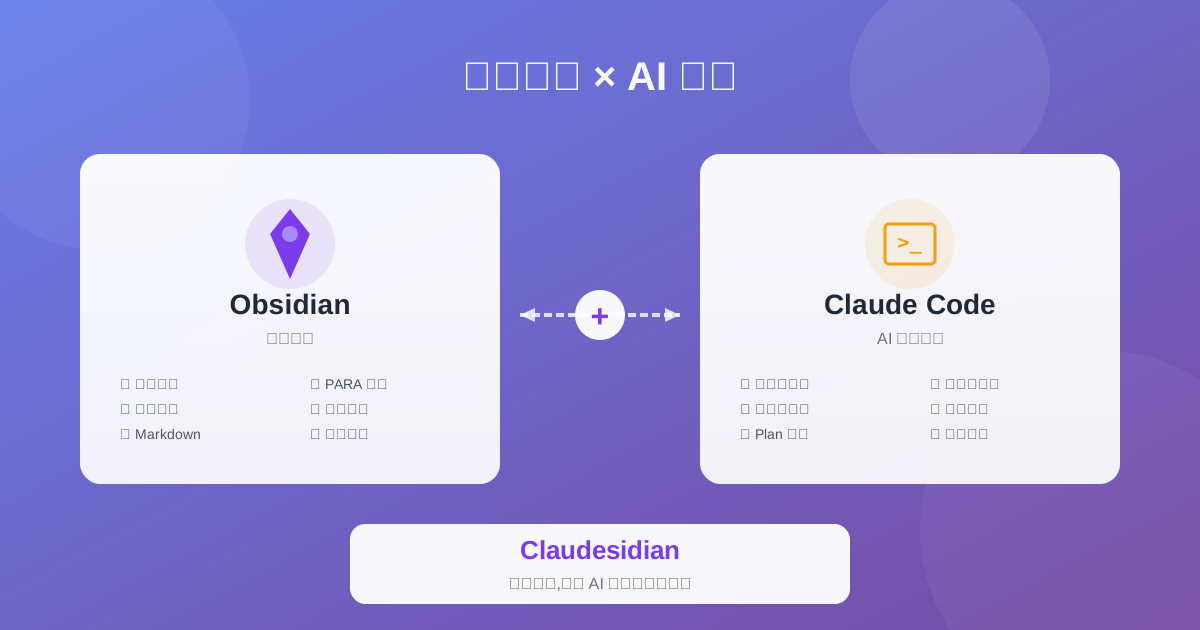
Claudesidian: Transform Obsidian into an AI-Powered Second Brain
Discover Claudesidian, an open-source project that perfectly integrates Obsidian with Claude Code. Built-in PARA method, custom commands, and automated workflows for a complete idea-to-implementation solution.
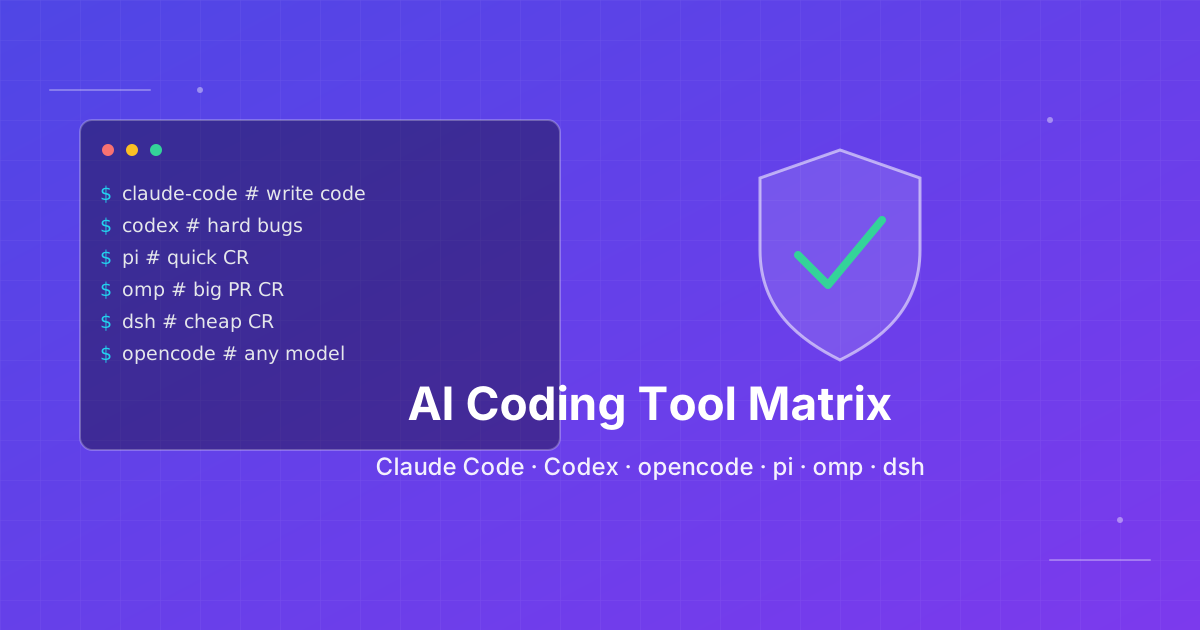
Seven AI Coding CLIs Compared: Tasks, Costs, and Independent Review
Compare Claude Code, Codex CLI, OpenCode, Pi, omp, DeepSeek Harness, and Grok Build with a repeatable task checklist and practical review workflow.