

ai-memory
ai-memory is an MIT-licensed, self-hosted memory layer for AI coding agents. It is designed for a common handoff problem: a developer leaves a repository in one agent CLI and resumes in another, but the architecture, failed approaches, and open questions have to be explained again. ai-memory records agent lifecycle observations, consolidates them into a git-backed Markdown wiki, and gives the next session a bounded brief plus search. The project supports integrations for Claude Code, Codex, Cursor, Gemini CLI, OpenCode, and other agent harnesses; check its support matrix before assuming a particular editor or platform is fully supported.
What it provides
- Cross-agent handoffs: supported harnesses can contribute to one project memory, while handoffs carry an owner and are claimed once.
- Files as the source of truth: pages are ordinary Markdown under version control; the database is a derived index that can be rebuilt.
- Self-hosted operation: run the service on a laptop, homelab, or another machine you operate instead of sending project memory to a required hosted API.
- Zero-LLM baseline: the project documents capture, search, and handoffs without an LLM API key. Optional vector and LLM-assisted consolidation features should be enabled only after reviewing their data path and cost.
- Current distribution: the official v3.1.1 release, published on 2026-10-17, ships checksum-listed binaries for Linux, macOS, and Windows plus Docker instructions.
A practical workflow
Start with one disposable repository and one agent integration. Use ai-memory setup --plan first to inspect which hooks, MCP registrations, and skills it proposes to install. After a small read-only task, stop the first agent, launch a second supported agent in the same repository, and ask it to retrieve the outstanding decision or failed experiment. Inspect the generated Markdown pages before sharing a server with teammates. This is a useful workflow for a team that alternates between Claude Code and Codex, or for a developer switching computers mid-task.
Privacy, limits, and deployment
ai-memory is open source under MIT, so there is no required subscription for the software itself. You still pay for your own model accounts, storage, and hosting, and optional LLM or embedding features can create provider costs. The project says its hooks sanitize observations at a typed privacy boundary, but coding-agent memory can still contain sensitive repository context. Review the security documentation, run the plan before enabling hooks, restrict server access, and avoid sharing a project scope until the team has agreed on its retention and access rules. Native Windows support is listed as experimental in the project support matrix.
How it compares
MCPlama is an MCP gateway and control plane, whereas ai-memory focuses on retaining and retrieving work context across coding agents. Everruns is a Rust framework for building agents; ai-memory is infrastructure placed beside existing coding-agent CLIs. Choose ai-memory when editable project history and explicit handoffs matter more than building a new agent runtime.
Getting started and FAQ
Read the official installation guide and run the documented plan mode before applying changes. It is not a substitute for repository documentation, least-privilege credentials, backups, or human review. If your workflow cannot tolerate agent-hook capture, keep it out of that repository and use a narrower manual handoff process instead.
Does it require an LLM API key?
The project documents a zero-LLM path for capture, search, and handoffs. Optional LLM-assisted features are separate and should be evaluated for cost and data handling.
Can a team share it?
Yes, the project documents shared per-project knowledge and personal handoffs, but the server operator must still configure authentication and access controls appropriately.
Comments
No comments yet. Be the first to comment!
Related Tools


Related Insights
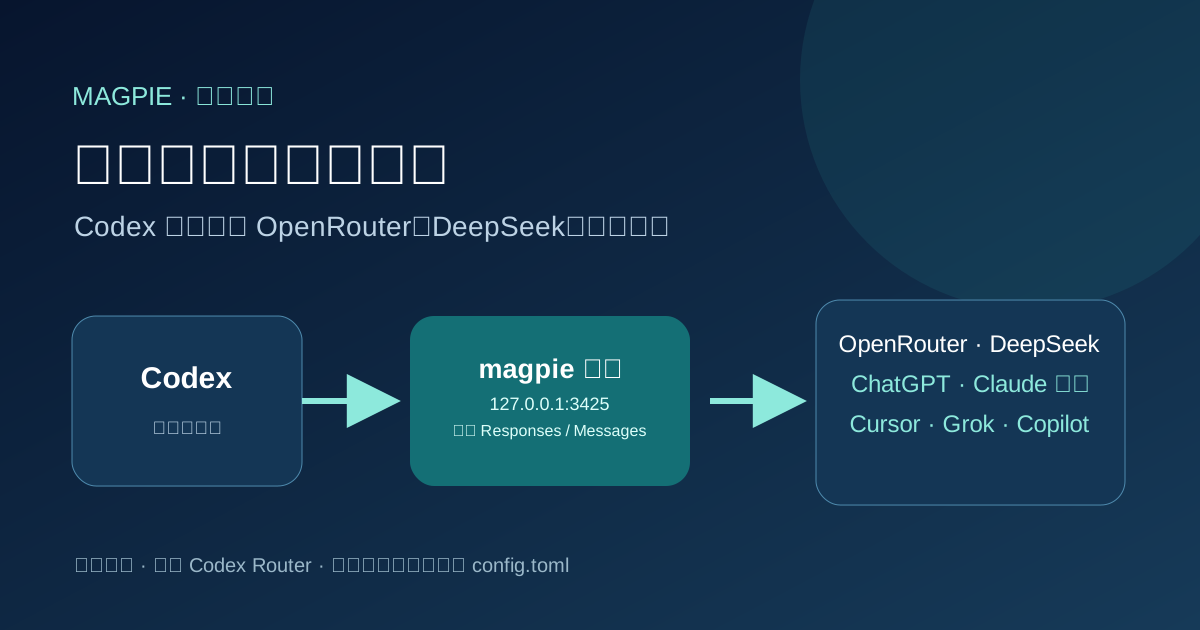
Point Codex at any model with magpie
Install magpie, add a local or signed-in provider, then switch Codex to that model. Rechecked against official magpie docs on 2026-10-06.
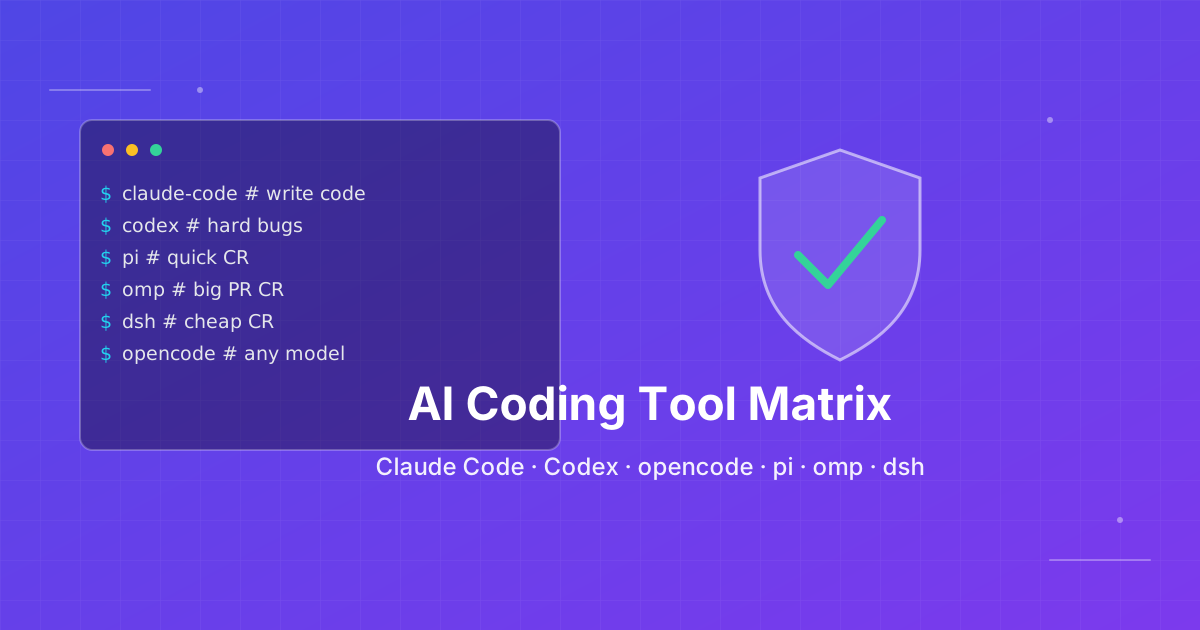
How to pick an AI coding CLI for your repo
Match Claude Code, Codex CLI, OpenCode, Pi, omp, DeepSeek Harness, and Grok Build to the work you actually run. Docs rechecked 2026-10-06.

Anthropic Subagent: The Multi-Agent Architecture Revolution
Deep dive into Anthropic multi-agent architecture design. Learn how Subagents break through context window limitations, achieve 90% performance improvements, and real-world applications in Claude Code.