
Mistral Large 4
Mistral Large 4, also called Le Chonk, is a general-purpose multimodal Mixture-of-Experts model from Mistral. On October 29, 2026, Mistral released its weights, so teams can now inspect, customize, and deploy it on their own infrastructure instead of treating it only as an API preview.
What it offers
- Large MoE design: Mistral describes the released model as a 1T-parameter multimodal MoE with 52B active parameters.
- Multimodal and long context: the API documentation lists image-capable input and a 1M-token context window.
- Agent-facing use: Mistral positions it for coding, defensive cybersecurity, reasoning, and agentic work; the company also offers it through Studio and its API.
- Open weights are available: the weights can be downloaded from Hugging Face for self-hosted deployment with supported runtimes such as vLLM or SGLang. Its Mistral Ecosystem Open-Weight license is a modified MIT license: model-as-a-service businesses need a separate commercial license.
Who should evaluate it
Teams building coding agents, document workflows, or image-aware assistants can now compare hosted and self-hosted ML4 deployments, especially when a long context window matters. Security and regulated-workload teams should still assess it under their own controls. Open weights create more deployment choice, not an assurance that the model is safe or reliable for every production workflow.
Pricing and availability
Mistral's October 29 announcement lists $0.70 per million input tokens, $0.07 per million cached input tokens, and $2.10 per million output tokens for its hosted offering. Verify the live pricing page and the license before procurement, because pricing, availability, and licensing terms can change.
Quick start
- Read Mistral's open-weight announcement and the linked model card and license.
- Download the weights from the official Hugging Face repository only after confirming that the license fits the intended use.
- Run a bounded coding, document, or visual task in an isolated environment and record cost, latency, and failure cases.
- Keep access controls, monitoring, and a fallback in place before granting an agent write access or production credentials.
Alternatives
- Mistral Small is the older Mistral Small v24.09 catalog entry.
- Claude Opus 5.5 is a hosted frontier-model alternative.
- GPT-6 Astra is another hosted model for agent evaluation.
FAQ
Are the weights available now?
Yes. Mistral released the weights on October 29, 2026 and links to its official Hugging Face repository. Check the license before a hosted model service use case.
Does it accept images?
Yes. Mistral documents multimodal input and a vision encoder; validate the supported formats and limits in the live API reference.
Is it ready for production?
Open weights do not make a model production-ready by default. Evaluate it with monitoring, limits, red-team tests, and a fallback before treating it as a stable production dependency.
Conclusion
Mistral Large 4 is a notable open-weight option for teams comparing multimodal, long-context agent models. Its released weights expand deployment choice, but teams should validate the license, infrastructure cost, and safety controls in their own environment.
Sources
- Websitehttps://mistral.ai/news/mistral-large-4-oss/
- Social Mediahttps://x.com/MistralAI
Comments
No comments yet. Be the first to comment!
Related Tools


Related Insights
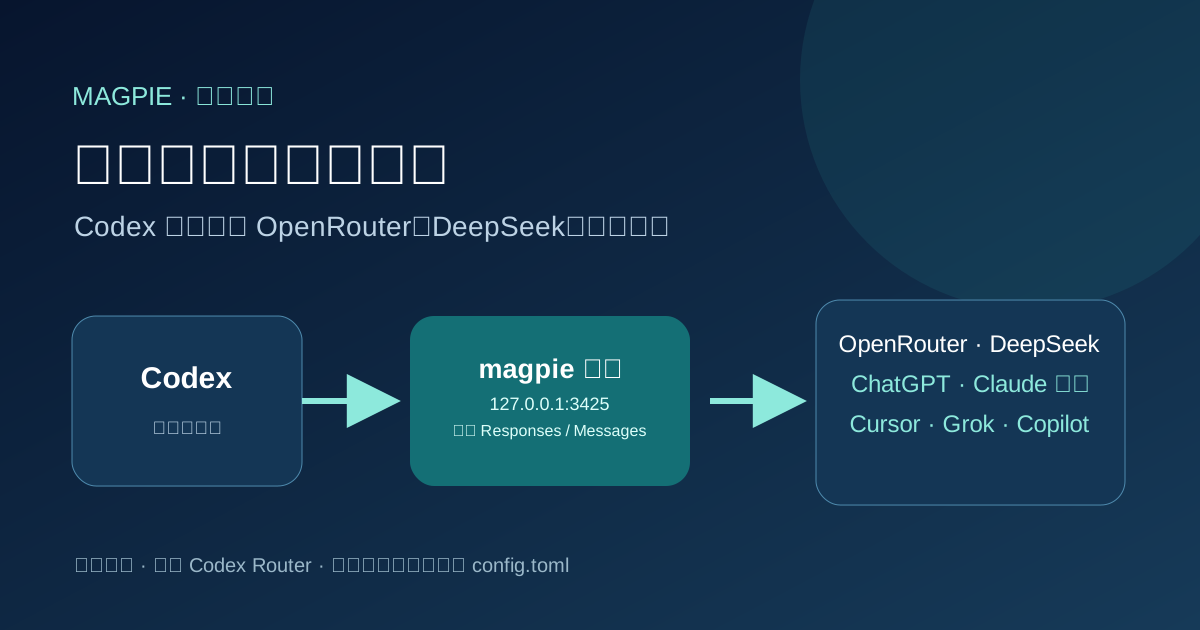
Point Codex at any model with magpie
Install magpie, add a local or signed-in provider, then switch Codex to that model. Rechecked against official magpie docs on 2026-10-06.
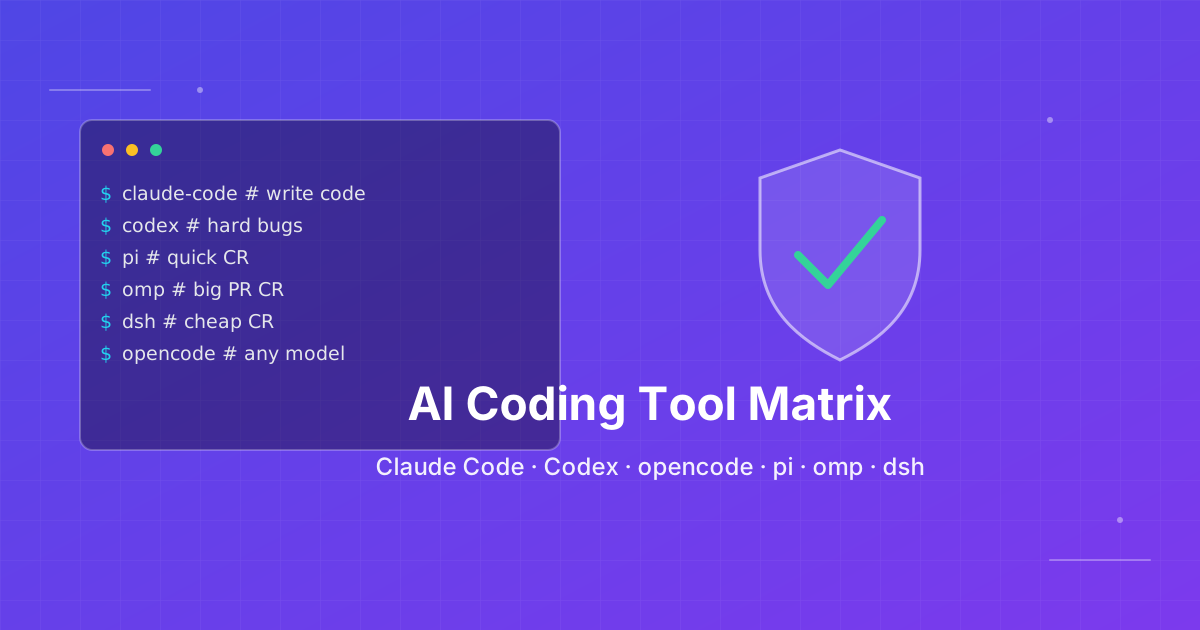
How to pick an AI coding CLI for your repo
Match Claude Code, Codex CLI, OpenCode, Pi, omp, DeepSeek Harness, and Grok Build to the work you actually run. Docs rechecked 2026-10-06.

Skills + Hooks + Plugins: How Anthropic Redefined AI Coding Tool Extensibility
An in-depth analysis of Claude Code's trinity architecture of Skills, Hooks, and Plugins. Explore why this design is more advanced than GitHub Copilot and Cursor, and how it redefines AI coding tool extensibility through open standards.