
Poki
Poki is an AGPL-3.0 open-source bridge that lets an AI agent operate a paired iPhone through the iOS accessibility tree and native touch synthesis. It can be exposed as an MCP server to clients such as Claude Code and Codex, or used through its own terminal agent. The important distinction is that it controls a real device rather than merely generating iOS test code or driving a simulator-only web view.
What it provides
- Phone-facing MCP tools: an MCP client can inspect the current screen, tap, type, swipe, and manage the connected device through Poki's local service.
- Agent and channel options: the project documents a terminal agent plus optional iMessage and Telegram channels. Those channels are operational interfaces, not a safety boundary.
- Physical iPhone path: USB pairing is the documented starting point for a real device. The project also documents remote connections; the 0.1.1 release added remote support and update notices.
- Open integration layer: Poki itself is free under AGPL-3.0. It can use a compatible MCP client and the model service the operator configures.
A practical workflow
Start with a spare iPhone or a simulator and one read-only task, such as opening a public web page and summarizing its visible result. Follow the official setup guide on an Apple-silicon Mac, connect the device over USB, then register src/stdio.mjs with the chosen MCP client. Keep the task narrow and verify the final screen yourself. Only after that should you consider tasks that navigate an authenticated app, and never let an unattended agent send a message, change an account setting, or complete a purchase.
Costs, limits, and risks
Poki does not charge for the open-source software, but its model provider, a Mac host, and any messaging or remote infrastructure may have costs. The project requires macOS, Xcode and other local dependencies; its prebuilt package is for Apple Silicon. Physical-device support is documented as verified only for Chinese-interface iPhones and portrait orientation, with several device features unavailable.
The security boundary deserves more attention than the installation command. Poki states that phone screen contents are sent to the configured model service. An agent can also perform consequential actions on the real iPhone, and automation may violate a third-party app's terms. Use a non-sensitive test account, least-privilege credentials, a local or approved model endpoint, and explicit human confirmation for anything that sends, spends, deletes, or changes access.
Alternatives and next step
Conventional mobile test frameworks remain the better choice for deterministic regression testing. Browser Use is a better fit when the task stays in a browser rather than an iPhone app. Poki is useful when an MCP-capable agent needs to interact with the same physical device surface a person uses.
Read the official installation documentation and run one reversible task before connecting a personal phone. Its v0.1.1 release is evidence of active maintenance, not a guarantee that every app, device, or account workflow is safe to automate.
FAQ
Does Poki run on the iPhone itself?
No. The documented setup runs a service on a Mac and pairs or connects to an iPhone. A future on-phone app is listed on the project's roadmap, so it should not be treated as current functionality.
Is an MCP connection enough to make phone automation safe?
No. MCP makes the controls available to an agent; it does not decide whether a requested tap, message, or payment is appropriate. Keep high-impact actions behind human approval.
Sources
- Websitehttps://poki.bot/
- Poki official site and documentationhttps://poki.bot/docs/
- Poki source code and installation guidehttps://github.com/JosssphZhou/poki
- Poki v0.1.1 release noteshttps://github.com/JosssphZhou/poki/releases/tag/v0.1.1
Comments
No comments yet. Be the first to comment!
Related Tools


Related Insights
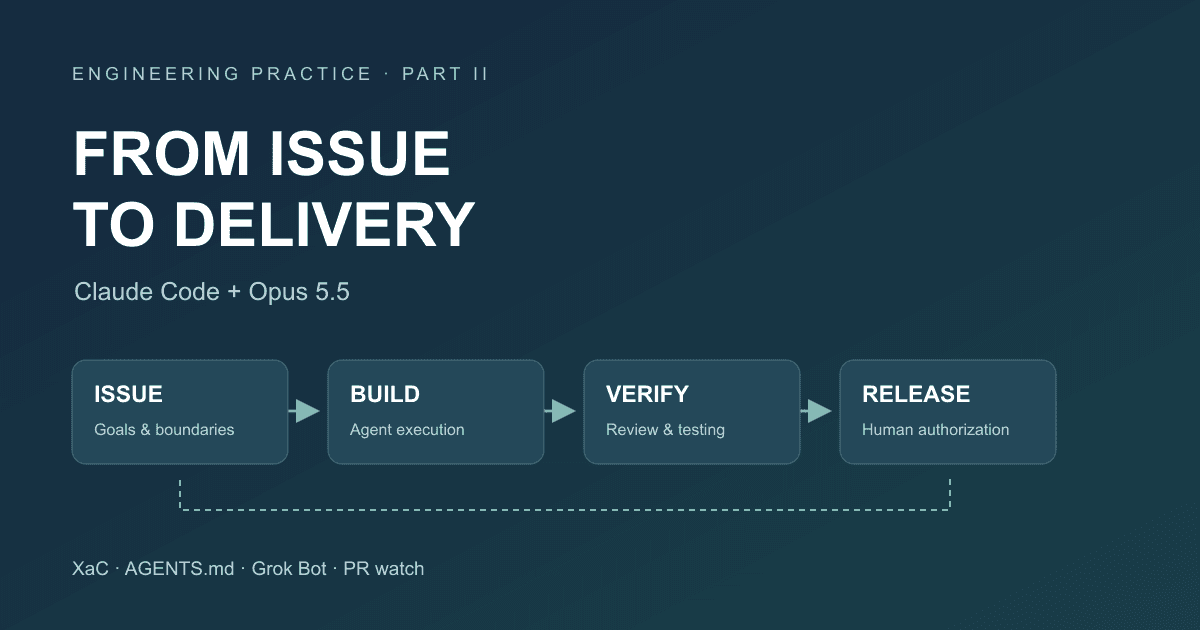
After Code Stopped Being Scarce (Part II): From AI Writing Code to AI Taking Part in Delivery
A year after leaving my previous employer, I document the delivery workflow for our financial business that we built around Claude Code and Opus 5.5: XaC, progressive rules, independent review and testing by Grok Bot, PR watch, and our actual delivery over the past three months.
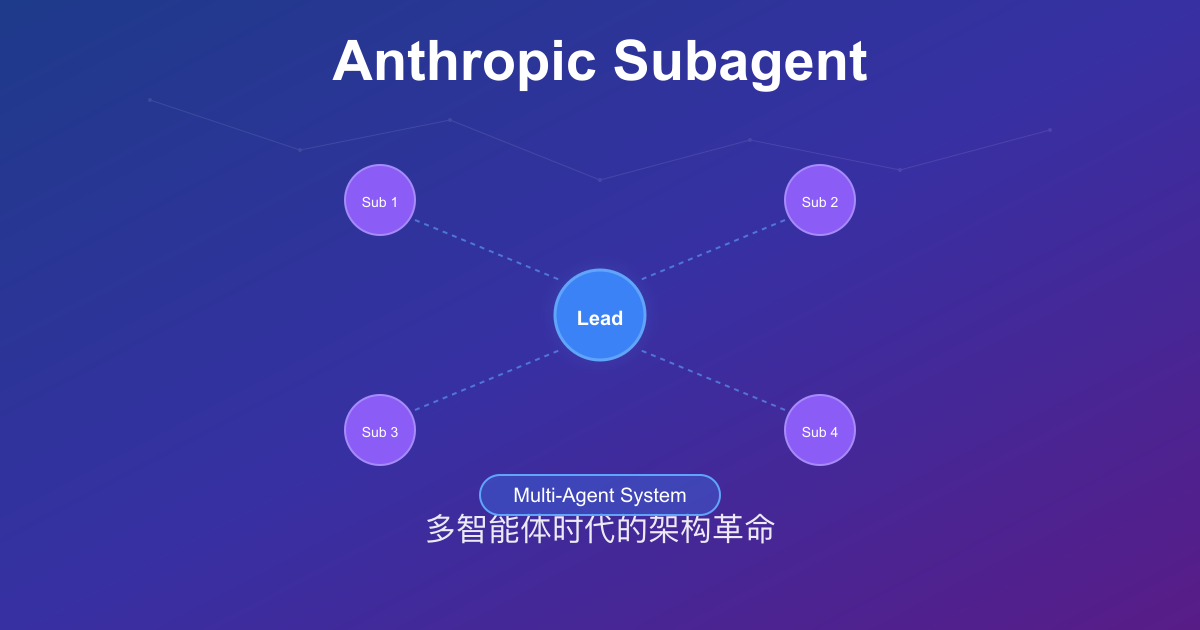
Anthropic Subagent: The Multi-Agent Architecture Revolution
Deep dive into Anthropic multi-agent architecture design. Learn how Subagents break through context window limitations, achieve 90% performance improvements, and real-world applications in Claude Code.

Skills + Hooks + Plugins: How Anthropic Redefined AI Coding Tool Extensibility
An in-depth analysis of Claude Code's trinity architecture of Skills, Hooks, and Plugins. Explore why this design is more advanced than GitHub Copilot and Cursor, and how it redefines AI coding tool extensibility through open standards.