

Timon
Timon is an open-source control room for a local team of AI agents. It runs as a desktop application and a background service, then dispatches coding, review, research, and operational work through agent CLIs that you already authenticate, including Claude Code, Codex, GitHub Copilot CLI, OpenCode, and others. The project was created on November 6, 2026 and is licensed under AGPL-3.0; its SDK and plugin templates use MIT.
What It Coordinates
- Role-based missions. An orchestrator breaks a request into tasks, while coder, reviewer, merger, researcher, and ops roles can each use a different backend.
- Isolated changes. Coding work happens in separate Git worktrees, with a second agent able to review before a merger role runs final checks.
- Persistent operations. Missions, tool calls, memory, schedules, webhooks, and quota fallbacks are stored by Timon's local service so work can continue after a client closes.
- Existing subscriptions. Timon uses signed-in command-line agents instead of a token-billed API of its own. It still requires the subscriptions or accounts for those providers.
- Plugins and clients. The project documents signed, hot-installed plugins plus desktop, browser, phone, Telegram, CLI, and remote API clients.
When To Use Timon
Use Timon when a repository needs repeatable, multi-step agent work with clear ownership: one agent implements in a worktree, another reviews it, and a final role checks or merges it. It is also useful for recurring research or maintenance jobs where an interruption should not discard the task state. Teams that want a code library to embed inside their own service should prefer an agent framework such as OpenAI Agents SDK; Timon is an operating environment, not merely an SDK.
Installation And Cost
The official releases support Windows 10+ x64, macOS 11+ on Apple silicon, and Linux x64 with glibc 2.28+. Install a release, sign in to at least one supported agent CLI, then run timon doctor and timon backends to inspect what the service discovered. On a headless machine, the documented timon service install --dry-run command previews service setup before installation.
Timon is free software under AGPL-3.0, while its listed Pro tier adds multi-user roles, groups, and support. The product does not remove the cost or limits of the underlying CLI subscriptions.
Limits And Safety
An agent team can multiply the impact of a bad instruction. Keep repository access narrow, require the documented approval cards for push, publish, and deletion actions, and review the effective permissions of every backend. The daemon stores mission state locally, so treat its machine, SQLite data, and remote-access configuration as production assets. Its broad provider list is a compatibility claim from the project, not a guarantee that every provider behaves identically.
Alternatives
- Hermes Agent: a self-hosted persistent agent with its own learning loop and channels.
- CrewAI: a framework for defining role-based agent flows in code.
- Claude Code: a direct coding-agent interface when a multi-role control plane is unnecessary.
Conclusion
Timon is for people who want agents to work as an accountable local team rather than as isolated chat sessions. Start with one repository and a non-destructive mission, verify the discovered backends, then add review and scheduled workflows after the approval boundaries are clear.
Sources
- Websitehttps://timon-ai.com
- Timon GitHub repositoryhttps://github.com/ai-timon/timon
- Timon installation documentationhttps://docs.timon-ai.com/installation/overview
Comments
No comments yet. Be the first to comment!
Related Tools


Related Insights
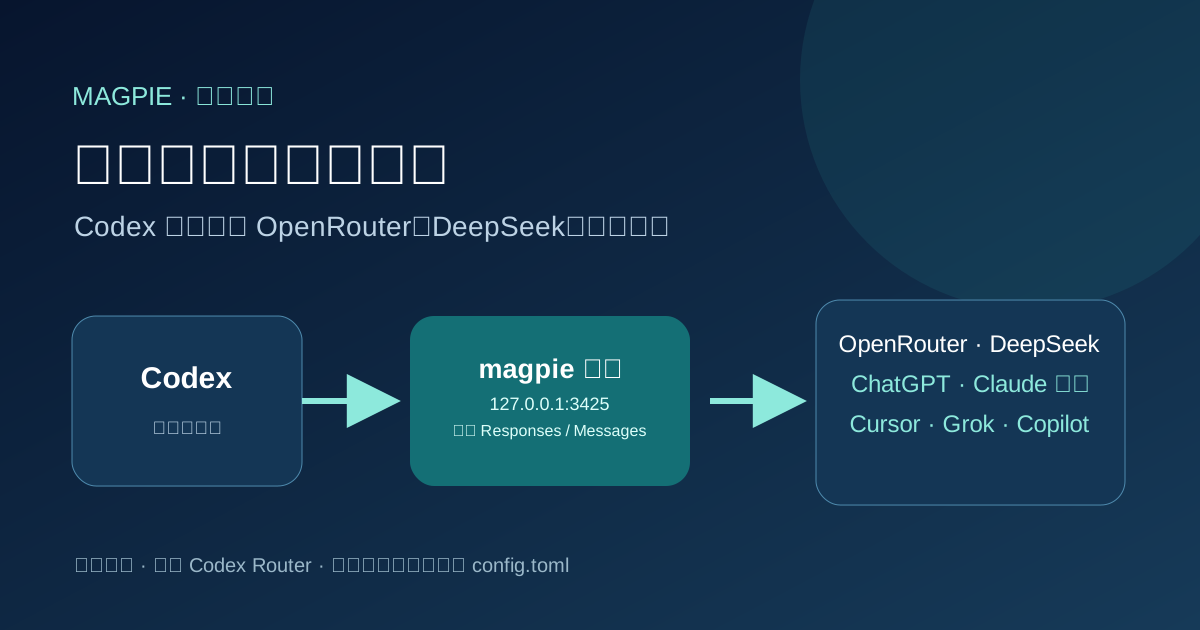
Point Codex at any model with magpie
Install magpie, add a local or signed-in provider, then switch Codex to that model. Rechecked against official magpie docs on 2026-10-06.
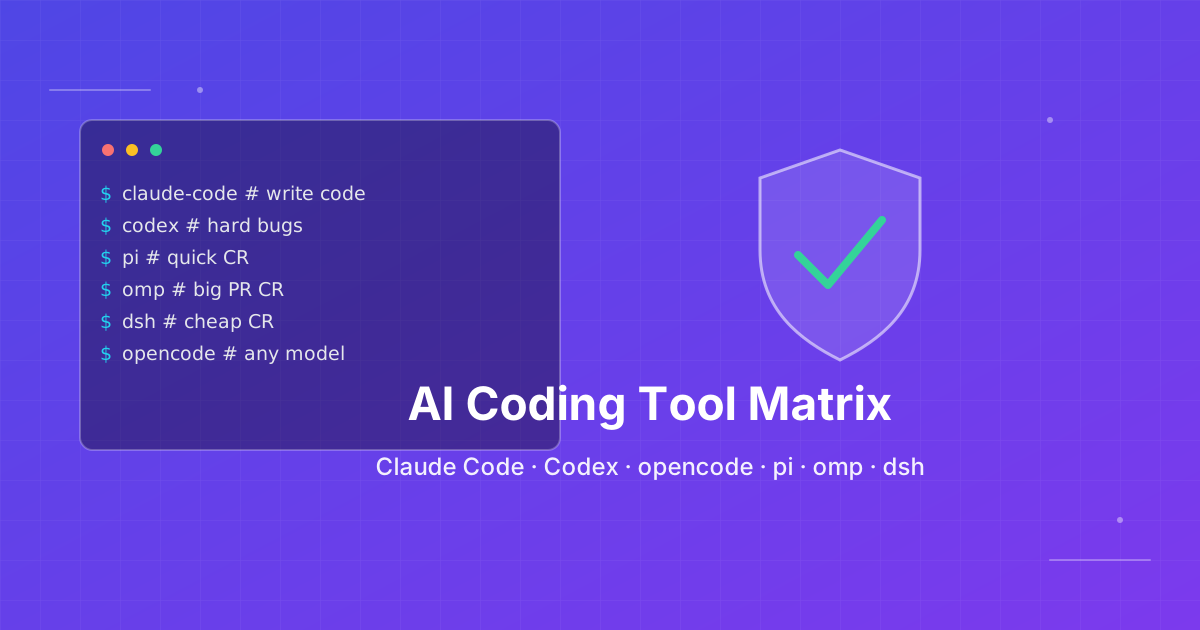
How to pick an AI coding CLI for your repo
Match Claude Code, Codex CLI, OpenCode, Pi, omp, DeepSeek Harness, and Grok Build to the work you actually run. Docs rechecked 2026-10-06.
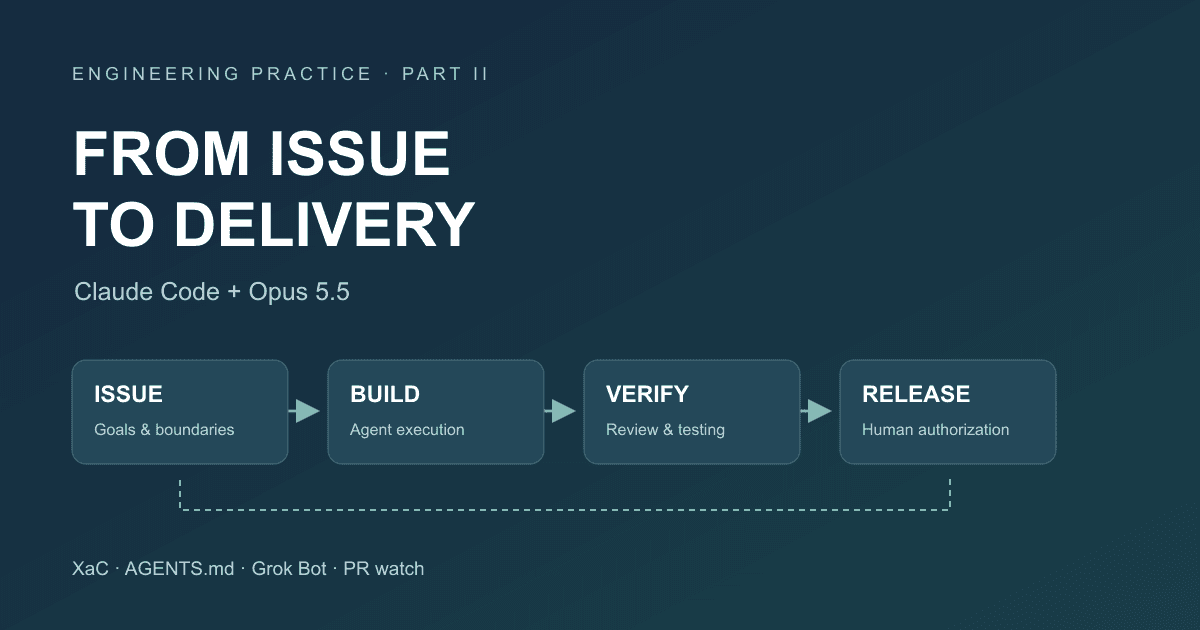
After Code Stopped Being Scarce (Part II): From AI Writing Code to AI Taking Part in Delivery
A year after leaving my previous employer, I document the delivery workflow for our financial business that we built around Claude Code and Opus 5.5: XaC, progressive rules, independent review and testing by Grok Bot, PR watch, and our actual delivery over the past three months.