

DeepInfer
DeepInfer is DeepSeek's Apache-2.0 framework for running offline inference services at scale. Its first public release supports DeepSeek V4.1 Flash and targets NVIDIA SM100 GPUs or Huawei Ascend 950 NPUs. It is not a hosted DeepSeek API and it is not a general-purpose model launcher: teams bring their own compatible hardware, Linux environment, checkpoint storage, and the service components around the engine.
What DeepInfer provides
- Production-oriented execution: optimized kernels, model and sampler runtime, asynchronous scheduling, data/context/expert parallelism, and expert load balancing are included for the supported DeepSeek path.
- Controlled outputs: the documented sampler can constrain output with a regex, JSON Schema, or EBNF grammar. That is useful for services that need machine-readable results rather than only chat text.
- Repeatable requests: NVIDIA deployments can enable batch-invariant inference and deterministic sampling for a fixed sequence seed. These modes help when a team is debugging a serving change, but should be measured against throughput requirements.
- Offline starter path: the repository documents a source build and
examples/offline_inference.py; by default it downloads the DeepSeek V4.1 Flash checkpoint through the Hugging Face cache.
A practical workflow
Start with an isolated Linux host, Python 3.12, GCC 13+, and the accelerator stack stated in the official README: CUDA 13 for NVIDIA or CANN 9.2 for Ascend. Build with the matching DEEPINFER_ACCELERATOR value, point DEEPINFER_HF_MODEL_DIR at a preapproved local checkpoint if downloads are restricted, and run the offline example before placing the engine behind an API gateway. Then test structured-output schemas, fixed-seed behavior, and failure recovery with representative prompts.
DeepInfer can be relevant when a team already operates DeepSeek V4 Flash and needs to examine a DeepSeek-maintained serving engine. Compare NInfer for a deliberately narrow single-GPU local runtime, or use a more general runner when the model family or hardware is outside DeepInfer's published support.
Limits and costs
The project documents NVIDIA SM100 and Ascend 950 only. It requires Linux and a source build; it does not promise support for consumer GPUs, arbitrary Hugging Face models, or a managed endpoint. The repository also says a complete service still needs a KV-cache system, prefill/decode disaggregation, and load balancing across data-parallel replicas. Its benchmark images were measured by DeepSeek on four SM100 GPUs for prefill and 64 for decode, so treat them as vendor measurements, not capacity planning figures for another cluster.
The software is Apache-2.0, but hardware, electricity, storage, networking, model access, and operating staff are separate costs. Run a bounded non-production benchmark before committing a production workload.
Comments
No comments yet. Be the first to comment!
Related Tools


Related Insights
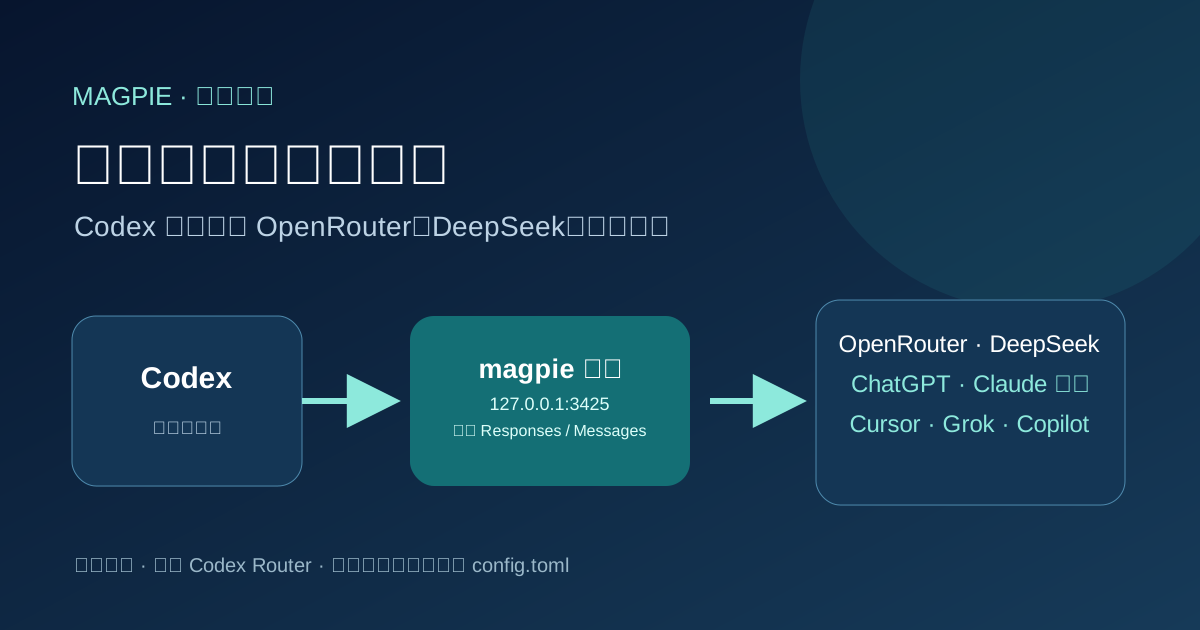
Point Codex at any model with magpie
Install magpie, add a local or signed-in provider, then switch Codex to that model. Rechecked against official magpie docs on 2026-10-06.
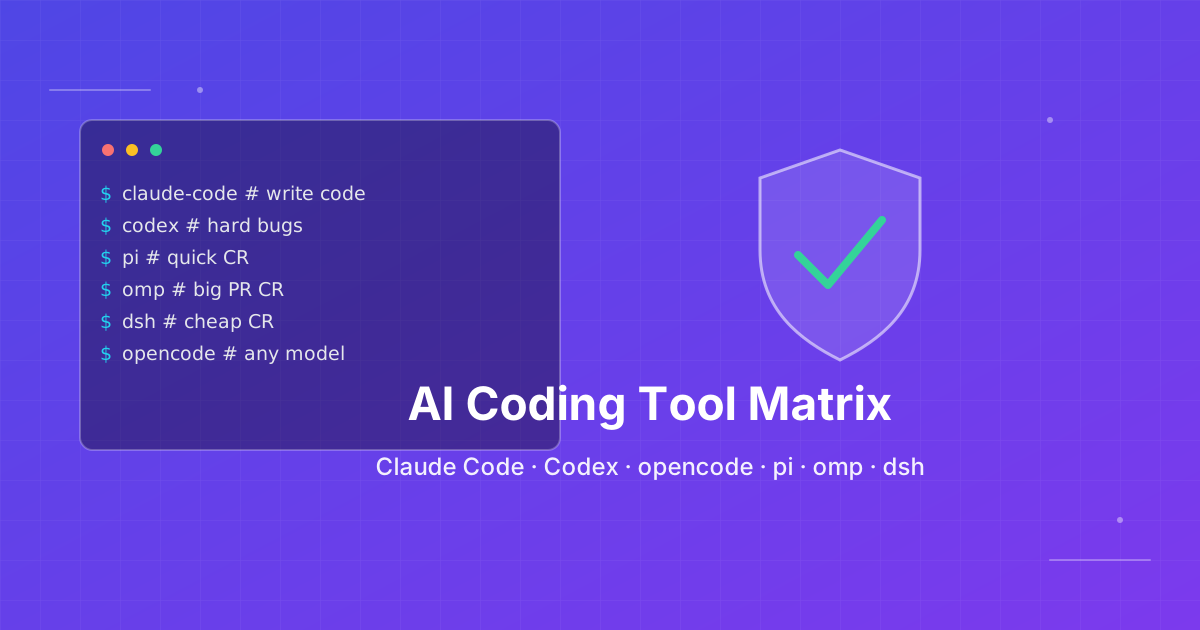
How to pick an AI coding CLI for your repo
Match Claude Code, Codex CLI, OpenCode, Pi, omp, DeepSeek Harness, and Grok Build to the work you actually run. Docs rechecked 2026-10-06.
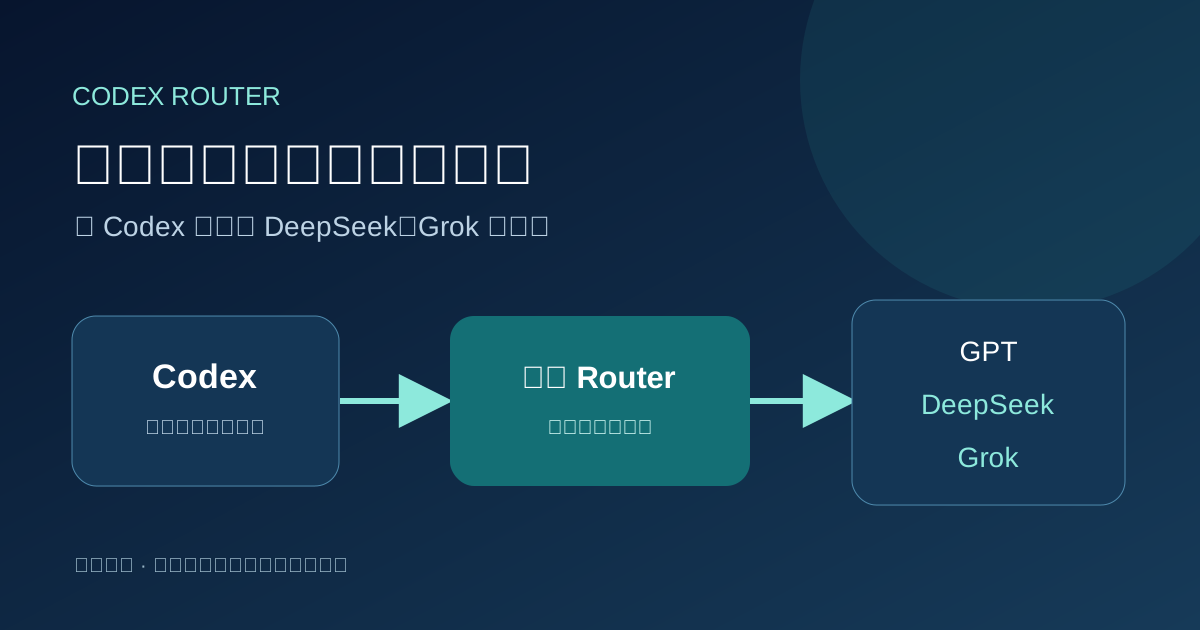
Running low on ChatGPT Codex quota? Switch to DeepSeek or Grok inside Codex
Codex Router lets you keep your Codex workspace while using DeepSeek, Grok, and other external models. A plain-English guide to routing, quotas, and network access.