
Craft Agents is an open-source AI agent framework developed by Luki Labs, focusing on providing flexible agent orchestration and workflow management capabilities. Craft Agents enables developers to build complex AI application scenarios, supporting multi-agent collaboration, task orchestration, and intelligent decision-making.
Link Agents is an enhanced OSS fork of Craft Agents, specifically designed for deep integration and optimization with Claude Code workflows, providing more powerful capabilities for developers working with Claude Code + Agents.
Core Features
Agent Orchestration: Provides powerful agent orchestration capabilities to coordinate multiple AI agents working together. Define interaction relationships and workflows between agents. Supports complex task decomposition and execution strategies.
Workflow Management: Flexible workflow definition and management mechanisms. Supports sequential execution, parallel execution, and conditional branching. Visual workflow design and monitoring.
Multi-Agent Collaboration: Supports multiple AI agents collaborating on the same task. Agents can share context and state. Enables distributed problem-solving for complex issues.
Extensible Architecture: Modular design, easy to extend and customize. Supports custom agent types and workflow components. Flexible plugin system.
Open Source Transparency: Fully open source, code hosted on GitHub. Community-driven development model. Apache 2.0 or MIT license (specific to project).
Link Agents Enhanced Features
The Link Agents fork version provides deep integration with Claude Code workflows, adding the following core features:
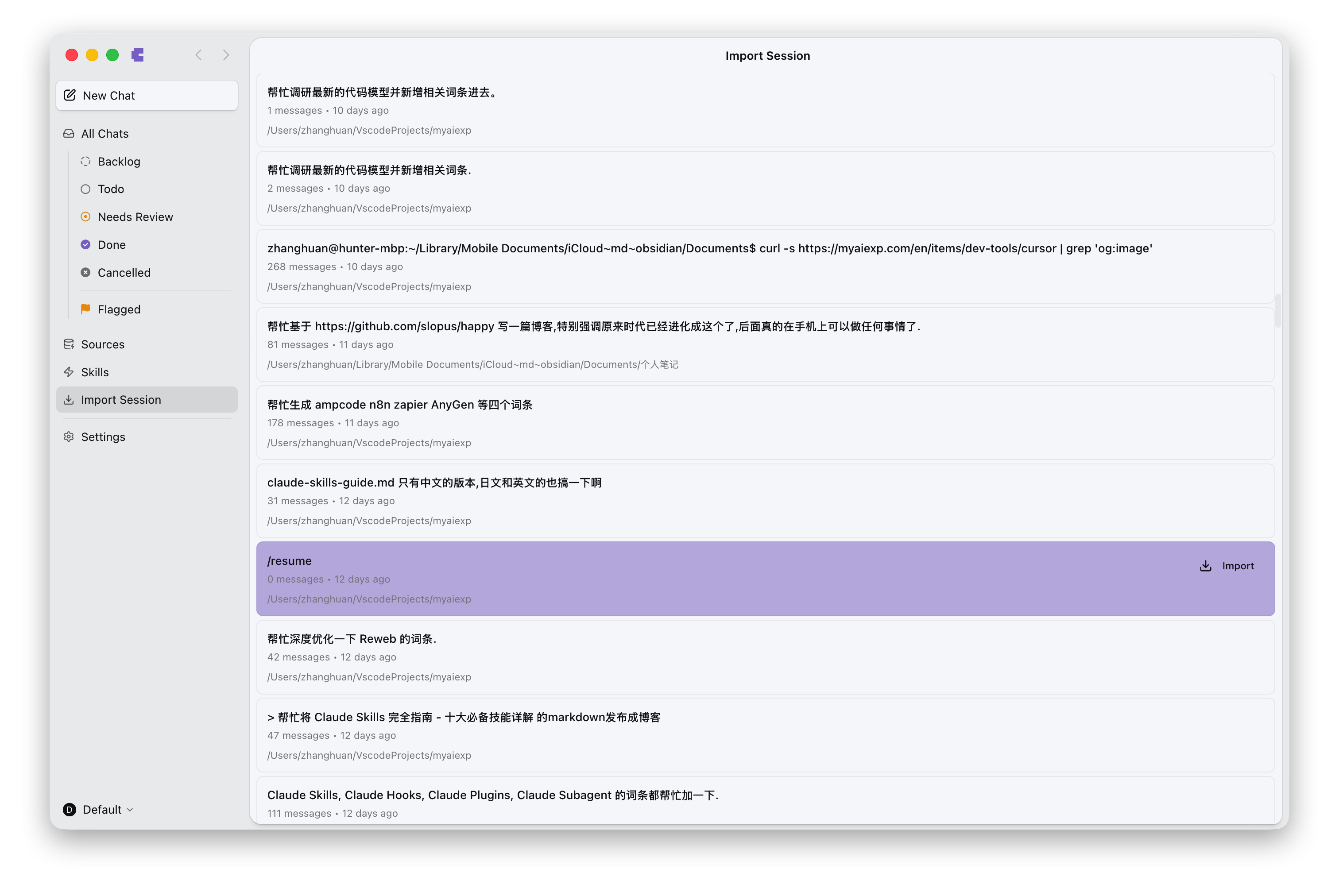
Claude Code Session Import/Export: Supports bidirectional import and export of sessions with Claude Code. Seamless migration of session data while maintaining conversation history integrity. Convenient switching and backup of sessions across different platforms.
Session Browser: Provides complete session history browsing functionality with all metadata information. Supports session search, filtering, and management. View detailed session information and execution records.
Original SDK Session ID Preservation: Preserves the original SDK Session ID when importing Claude Code sessions. Ensures consistency of session identifiers. Facilitates tracking and correlation of session data.
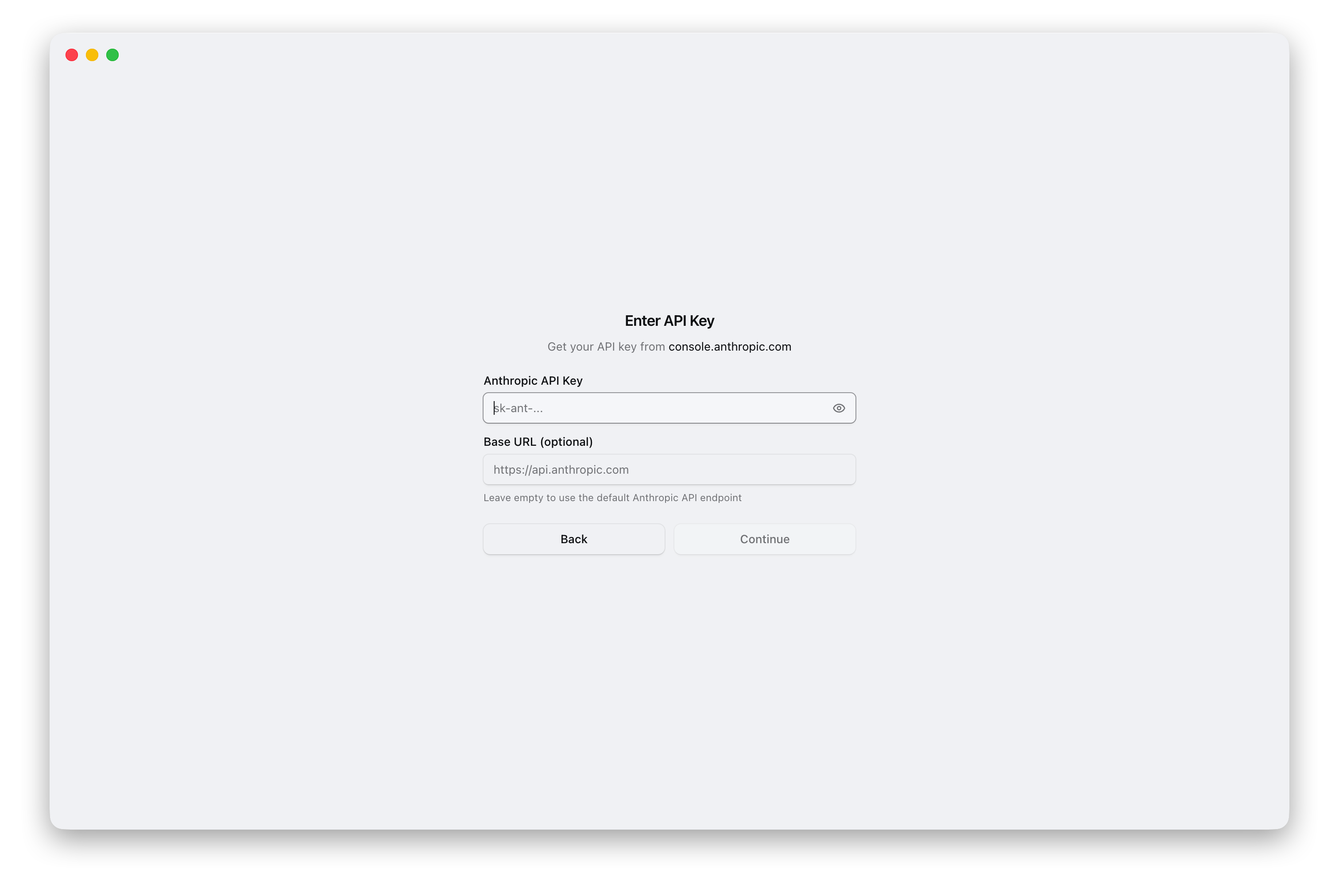
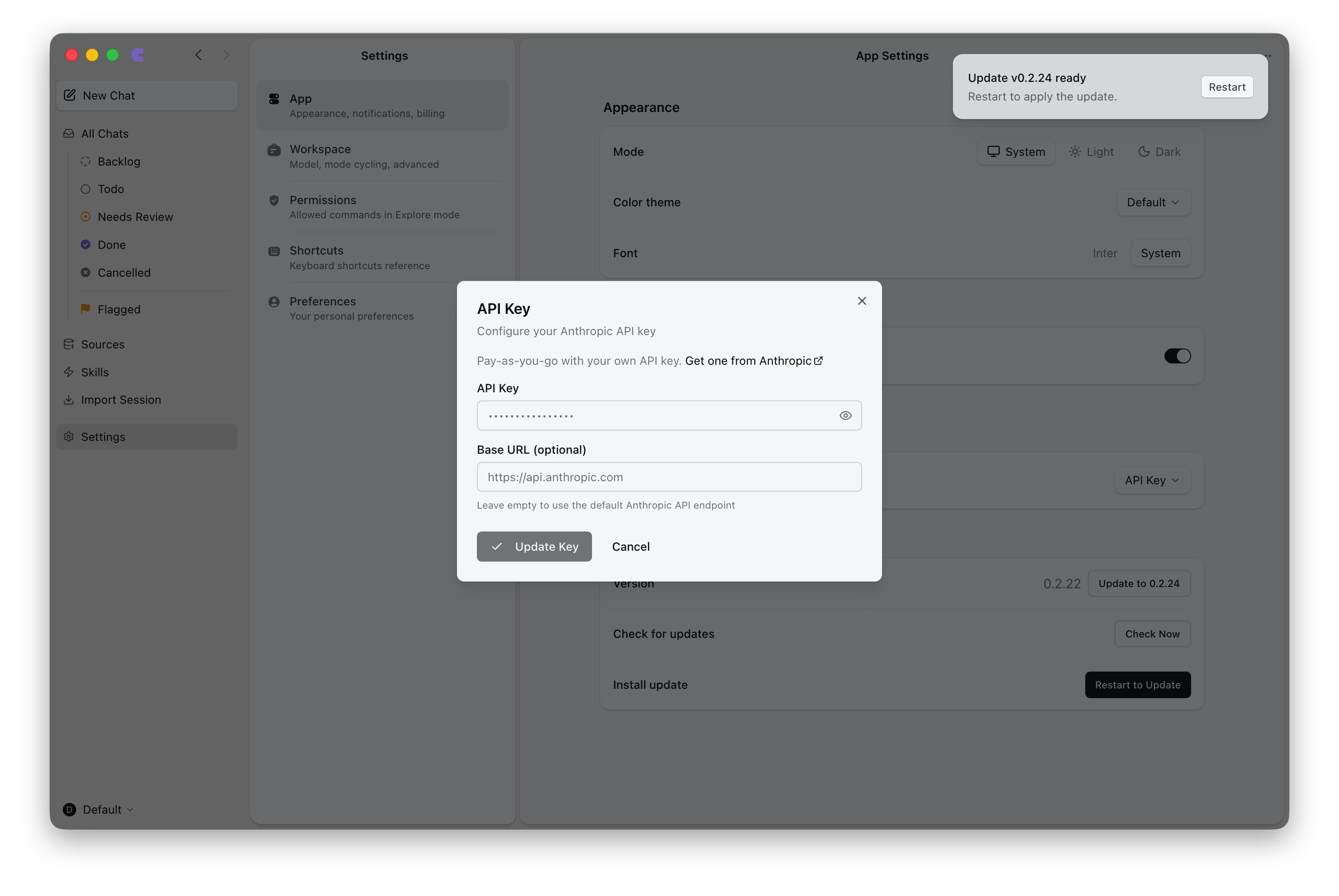
Anthropic API Custom Base URL Support: Supports configuration of custom Anthropic API base URLs. Suitable for proxy server or private endpoint scenarios. Provides more flexible deployment and network configuration options.
These enhanced features make Link Agents an ideal choice for Claude Code + Agents workflows, providing developers with more comprehensive session management and integration capabilities.
Use Cases
Complex Task Automation: Break down complex tasks into multiple subtasks. Different agents handle different subtasks. Coordinate execution to achieve overall goals.
Multi-Step Workflows: Build AI workflows containing multiple steps. Each step handled by specialized agents. Supports conditional judgment and loop execution.
Intelligent Decision Systems: Multiple agents analyze problems from different perspectives. Synthesize recommendations from multiple agents to make decisions. Improves comprehensiveness and accuracy of decisions.
Enterprise Application Integration: Integrate AI agents into enterprise applications. Automate business processes and data processing. Enhance enterprise operational efficiency.
Research and Experimentation: Explore design patterns for multi-agent systems. Experiment with different agent collaboration strategies. Validate the boundaries of AI agent capabilities.
Technical Architecture
Agent Abstraction Layer: Defines unified agent interfaces and behavioral specifications. Supports different types of AI models and services. Standardized agent lifecycle management.
Orchestration Engine: Responsible for agent scheduling and coordination. Manages message passing between agents. Monitors agent execution status and performance.
Workflow Engine: Parses and executes workflow definitions. Supports complex control flow logic. Provides workflow state management and persistence.
Context Management: Maintains shared context between agents. Supports context passing and updates. Ensures consistency of agent collaboration.
Technical Advantages
Flexibility: Supports multiple agent types and workflow patterns. Adapts to different application scenarios and requirements. Customizable orchestration strategies.
Reliability: Comprehensive error handling and recovery mechanisms. Workflow state persistence. Supports task retry and rollback.
Observability: Detailed logging and monitoring capabilities. Real-time viewing of agent execution status. Performance analysis and optimization support.
Community Support: Open source project with active community. Continuous feature updates and improvements. Rich documentation and examples.
Integration Capabilities
LLM Integration: Supports mainstream LLM services (OpenAI, Anthropic, Google, etc.). Flexible model selection and switching. Unified API interface.
Tool Integration: Integrates common development tools and services. Supports custom tools and plugins. Extends agent capability scope.
Data Source Integration: Connects to various data sources and APIs. Supports data reading, processing, and storage. Enables data-driven agent decisions.
Developer Experience
Clean API: Intuitive API design, reducing learning curve. Clear documentation and code examples. Quick onboarding and development.
Debugging Support: Comprehensive debugging tools and logging systems. Visual workflow execution process. Facilitates problem identification and optimization.
Test-Friendly: Supports unit testing and integration testing. Simulate agent behavior for testing. Ensures code quality and reliability.
Application Value
Craft Agents provides developers with powerful tools for building complex AI applications. Through agent orchestration and workflow management, multiple AI capabilities can be combined to solve complex problems that are difficult for single agents to handle.
Multi-agent collaboration mechanisms enable different AI models to leverage their respective advantages. For example, one agent is responsible for understanding user intent, another agent generates responses, and a third agent performs quality checks. This division of labor improves the overall system's performance and reliability.
The open-source nature allows Craft Agents to adapt to various customization needs. Developers can extend framework functionality according to specific scenarios and build dedicated AI agent systems. Community support and contributions also accelerate framework development and improvement.
For developers and teams who need to build enterprise-level AI applications, explore multi-agent systems, or implement complex automation workflows, Craft Agents provides a reliable technical foundation and flexible development framework.
Sources:
Related: 1Code and Agent Browser. Hub: dev-tools.
Comments
No comments yet. Be the first to comment!
Related Tools


Related Insights
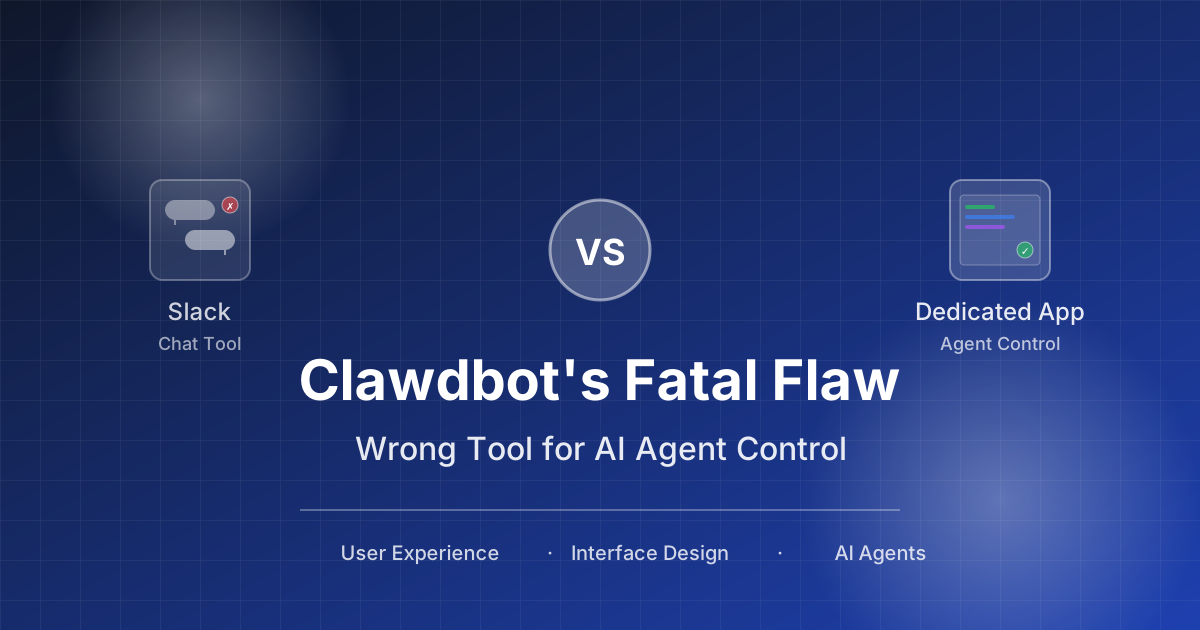
Stop Cramming AI Assistants into Chat Boxes: Clawdbot Picked the Wrong Battlefield
Clawdbot is convenient, but putting it inside Slack or Discord was the wrong design choice from day one. Chat tools are not for operating tasks, and AI isn't for chatting.

Anthropic Subagent: The Multi-Agent Architecture Revolution
Deep dive into Anthropic multi-agent architecture design. Learn how Subagents break through context window limitations, achieve 90% performance improvements, and real-world applications in Claude Code.
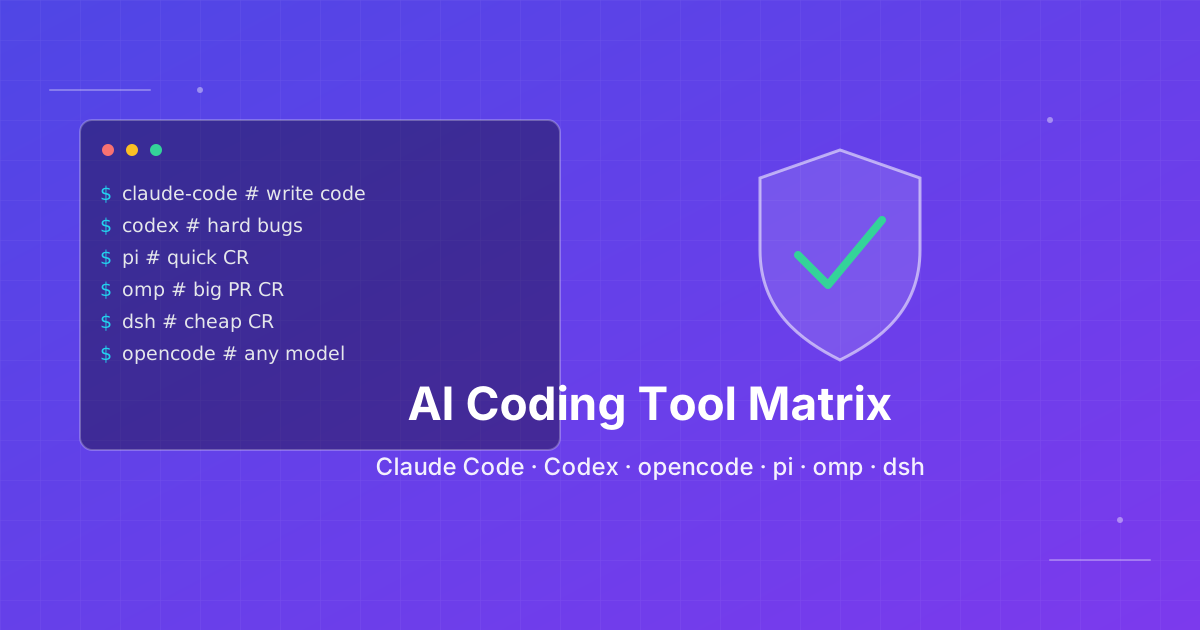
Seven AI Coding CLIs, Six Months: No Matter How Strong the Model, Work Needs Supervision
Claude Code, Codex, opencode, pi, omp and DeepSeek Harness all have personalities. After six months of deep use I run a division of labor: pi for the fastest cheapest reviews, omp for complex PRs, DeepSeek Harness on V4 Flash for high-frequency low-cost review, and Claude Code, Qoder and Cursor for writing. No matter how strong the model, work needs supervision — ideally from an independent third party.