

GPT-6.2 Sol is OpenAI's everyday-work model announced on November 17, 2026. OpenAI positions it as the efficient counterpart to GPT-6.2 Astra for multistep agentic work, coding, clear professional writing, and ordinary technical and non-technical tasks. Its API identifier is gpt-6.2-sol; eligible ChatGPT Work and Codex users can select it alongside Astra.
Key features
- Everyday agent work: OpenAI describes Sol as a default for multistep workflows where teams need capable execution without the frontier SKU's price.
- Coding and professional output: It targets code changes, natural writing, and routine collaboration rather than only a narrow benchmark category.
- Shared safety posture: OpenAI says both 6.2 models meet its Critical cybersecurity and High biological/chemical capability thresholds, so deployment includes tighter protections.
Pricing and availability
OpenAI says Sol keeps GPT-6.1 Sol's standard API prices: $2 per million input tokens, $0.10 cached input tokens, and $10 output tokens. It is available to eligible Plus, Pro, Enterprise, and Edu users in ChatGPT Work and Codex; workspace administrators control Enterprise and Edu availability. OpenAI says developers can call it as gpt-6.2-sol and that Ultrafast is available at launch.
Practical workflow
Run Sol first on a batch of real, reversible coding or document tasks. Preserve the shared prompt prefix for caching, record output tokens and review corrections, and retain test and approval gates for any tools it can invoke. Compare cost per accepted result against GPT-6.1 Sol and GPT-6.2 Astra.
Limitations and alternatives
The stated quality and token-efficiency results are OpenAI's own evaluations and must be checked on your data. Model availability, usage limits, and safeguards depend on the plan, administrator settings, and product surface. Use Astra for OpenAI's highest-tier professional and scientific positioning; use GPT-6.1 Sol if a tested existing integration remains the better fit.
Conclusion
GPT-6.2 Sol is a distinct current model SKU for high-volume knowledge and coding work. Treat it as a migration candidate, not an automatic replacement: measure quality, latency, cost, and safety behavior before shifting production traffic.
Sources
Comments
No comments yet. Be the first to comment!
Related Tools

Related Insights
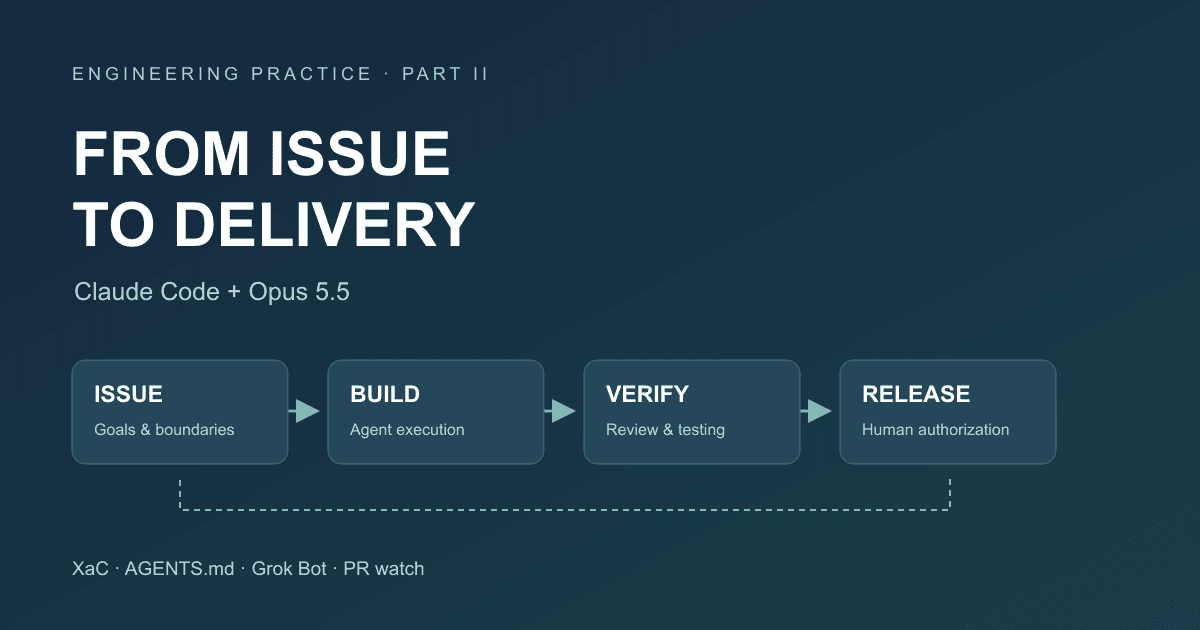
After Code Stopped Being Scarce (Part II): From AI Writing Code to AI Taking Part in Delivery
A year after leaving my previous employer, I document the delivery workflow for our financial business that we built around Claude Code and Opus 5.5: XaC, progressive rules, independent review and testing by Grok Bot, PR watch, and our actual delivery over the past three months.
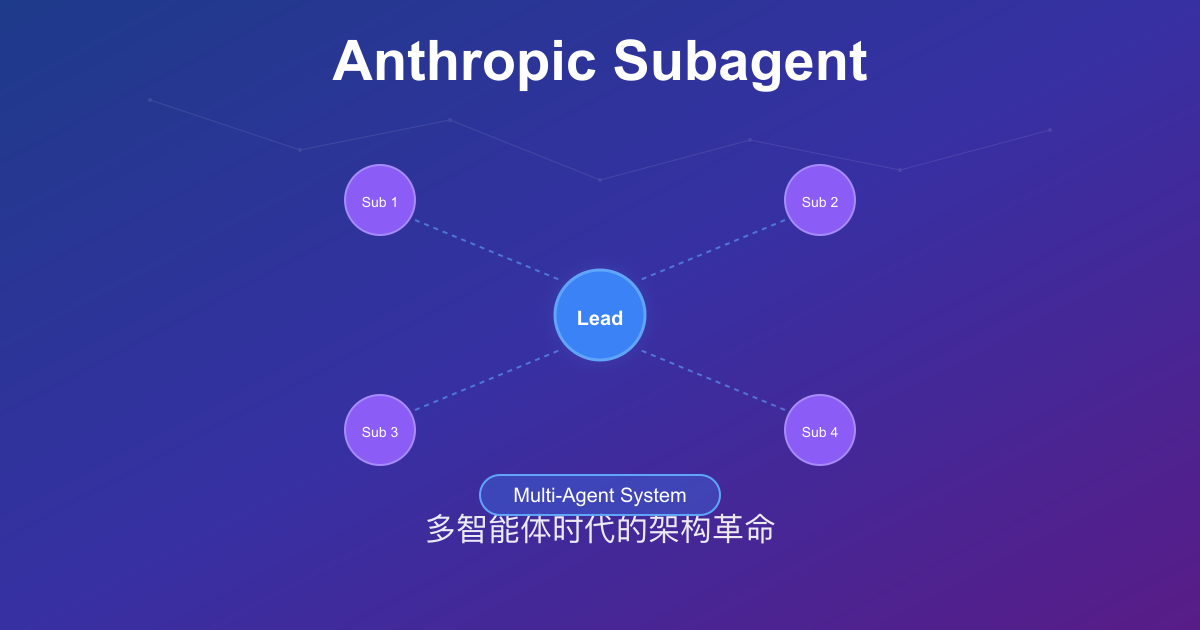
Anthropic Subagent: The Multi-Agent Architecture Revolution
Deep dive into Anthropic multi-agent architecture design. Learn how Subagents break through context window limitations, achieve 90% performance improvements, and real-world applications in Claude Code.

Stop Cramming AI Assistants into Chat Boxes: Clawdbot Picked the Wrong Battlefield
Clawdbot is convenient, but putting it inside Slack or Discord was the wrong design choice from day one. Chat tools are not for operating tasks, and AI isn't for chatting.