
Ternary Bonsai 2 is Prism ML's ternary packing of Qwen3.8-27B for llama.cpp. Weights live at prism-ml/Ternary-Bonsai-2-27B-gguf, created 2026-09-16, Apache 2.0. On 2026-09-19 Hugging Face listed 920 likes and 405,609 downloads on that GGUF repo. Those counts are heat signals, not site traffic. r/LocalLLaMA had a 1.6K-upvote launch thread plus follow-ups on 2026-09-19.
The language backbone is 27.36B parameters with hybrid attention (~75% linear). Context is 262K tokens from the base model. Compare Qwen3.8-Flash-Next if you wanted the sparse cloud MoE instead of a dense 27B on disk.
Key Features
- Ternary g128: weights in {-1, 0, +1} with FP16 scales per 128 weights. The card states 1.72 bits/weight ideal and 5.95 GB for GGUF PTQ1_0 (1.75 bits) or 7.21 GB for PQ2_0.
- First-party scores: the card reports 98.2% of FP16 intelligence retained (84.78 average on 14 thinking-mode benchmarks) and about 47 tok/s on an Apple M5 Max. Those numbers are Prism ML's, not an audit.
- Optional vision: a separate Q8_0 mmproj (~0.63 GB) loads only for images.
- Backends: Prism ML's llama.cpp fork (CUDA, Metal, CPU) and an MLX 2-bit companion.
- Sampling: thinking mode
temperature=1.0,top_p=0.95; instructtemperature=0.7,top_p=0.80. Default reasoning effort isxhigh.lowis not supported.
Limitation: stock llama.cpp will not load these packs. You need the Prism ML fork (or MLX fork). r/LocalLLaMA users also reported overthinking loops and high token use; that is community report, not a card claim.
Use Cases
- Laptops and one GPU that cannot hold 54 GB FP16 of Qwen3.8-27B.
- Local agents that still need thinking and tool-calling, per the card's agentic score of 74.92.
- Skip if you wanted a hosted API. Use Qwen3.8-Flash-Next.
Pricing
| Piece | Price | Notes from first-party pages 2026-09-19 |
|---|---|---|
| GGUF / MLX weights | $0 | Apache 2.0. About 920 likes on the GGUF repo. |
| Runtime | $0 | Prism ML llama.cpp or MLX forks. Demo repo about 2659 stars. |
Getting Started
- Read the demo README. It is the source of truth for pinned binaries.
- Download PTQ10 (5.95 GB) or PQ20 (7.21 GB) from Hugging Face.
- Serve with the Prism ML llama.cpp or MLX build, not stock llama.cpp.
- Add the mmproj only when you pass an image.
First-party start: the model card and the whitepaper PDF.
Frequently Asked Questions
Is this a new architecture?
No. The card says architecture is unchanged from Qwen3.8-27B. The change is ternary packing plus custom kernels.
Can I use vanilla llama.cpp?
Not according to the card. Packed weights need the matching Hadamard runtime.
Do I need the vision tower?
No. Text serving never loads the mmproj.
Alternatives
- Qwen3.8-27B: full-precision dense base.
- Qwen3.8-Flash-Next: sparse open MoE, not a 6 GB laptop file.
- MiniMax Code: a terminal agent, not a weight pack.
Tips
- Pin the demo's binaries. Forks move.
- Start with PTQ10 unless a kernel table says PQ20 is faster on your GPU.
- Treat 98.2% and 47 tok/s as card claims until you bench your box.
Conclusion
Ternary Bonsai 2 is a 6 GB ternary Qwen3.8-27B pack for people who already run llama.cpp or MLX and will install Prism ML's fork. Download the GGUF, follow the demo README, and bench it yourself. It is not a drop-in for stock llama.cpp.
Comments
No comments yet. Be the first to comment!
Related Tools


Related Insights
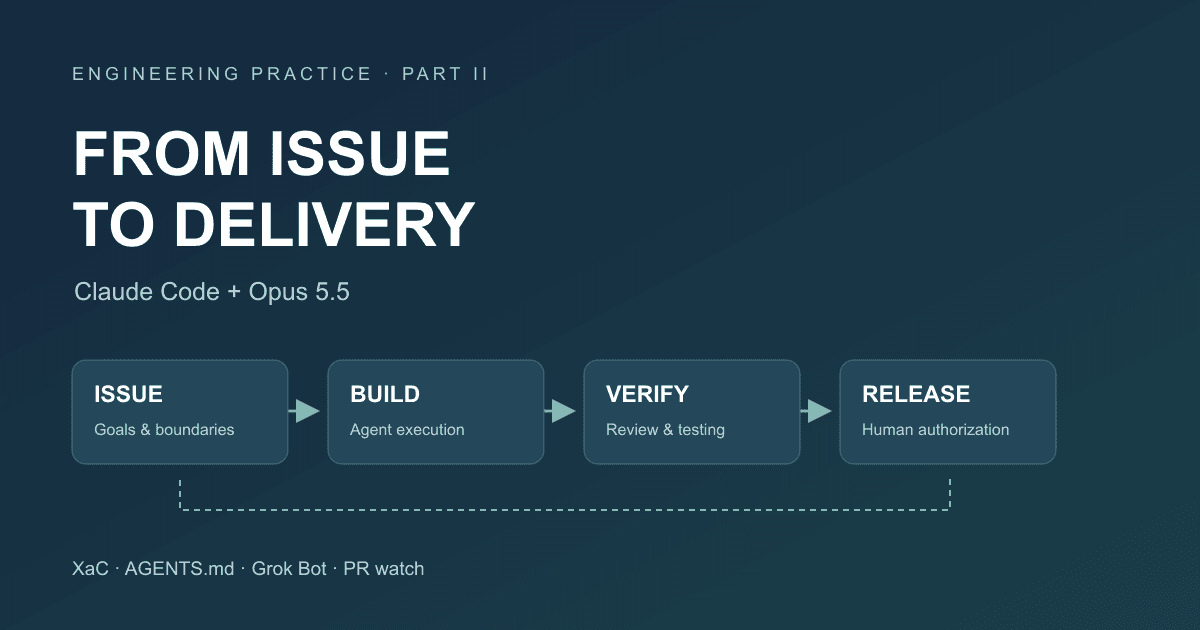
After Code Stopped Being Scarce (Part II): From AI Writing Code to AI Taking Part in Delivery
A year after leaving my previous employer, I document the delivery workflow for our financial business that we built around Claude Code and Opus 5.5: XaC, progressive rules, independent review and testing by Grok Bot, PR watch, and our actual delivery over the past three months.
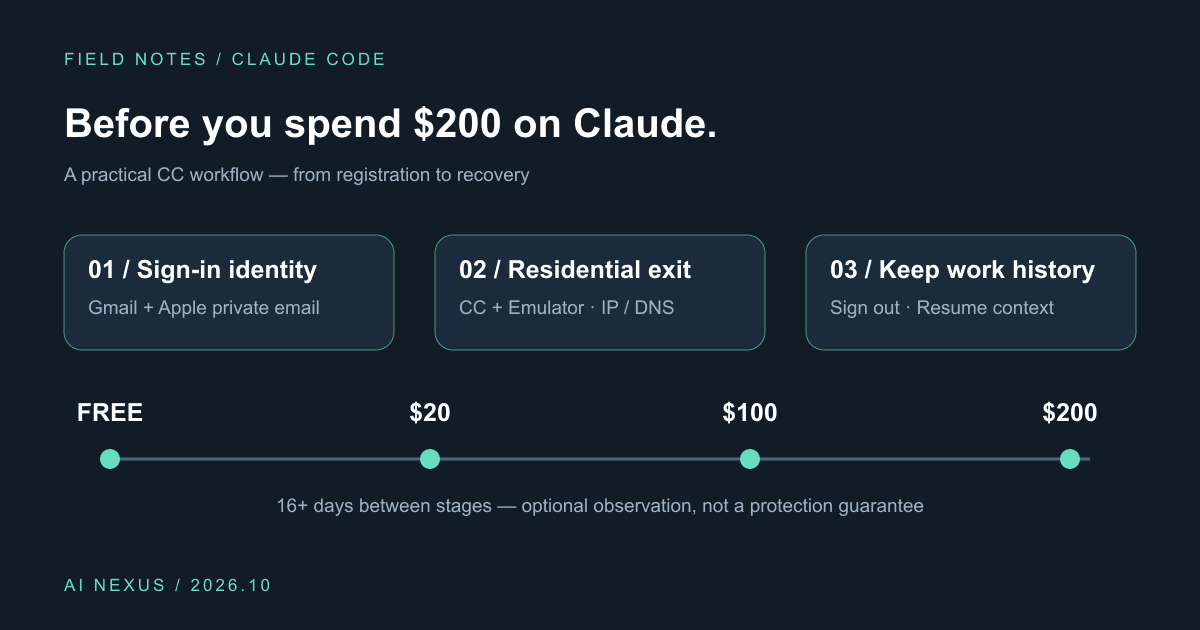
Claude Code account precautions: before you spend $200, do these six things
Gmail plus Apple private sign-in, Cliproxy residential routing for CC and emulators, IP/DNS checks, gradual upgrades, and history-preserving sign-out. Includes a profile and script.
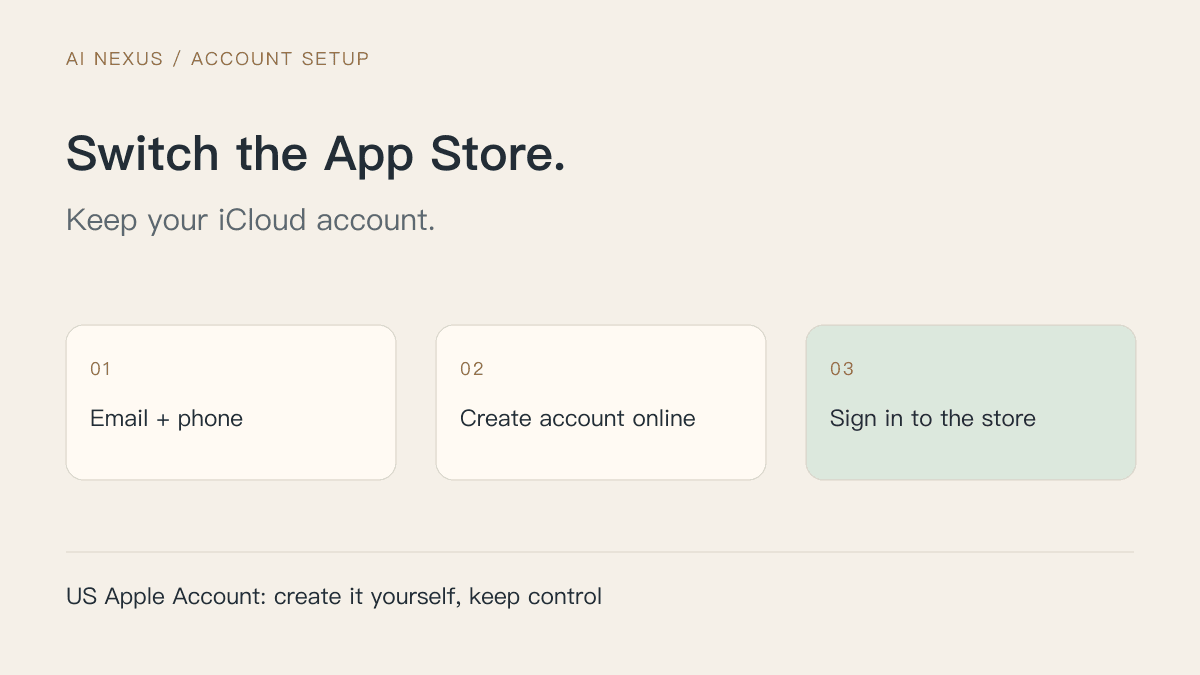
Create a US Apple Account: switch the App Store, keep iCloud signed in
Register with your own email and phone, complete store setup, and redeem a US gift card purchased with Alipay. Diagrams explain iCloud, purchase accounts and private Apple sign-in.