
AiGoodBro AgentHub
AiGoodBro AgentHub is a macOS workspace for people managing their own AI coding-tool accounts. Its project describes a consolidated view of remaining quota, reset times, task occupancy, and token-use trends. The important release distinction is that AgentHub 2.0 is a source candidate in PR #13, while main remains the existing baseline. No 2.0 installer was available when checked on October 3, 2026. This is the catalog listing date, not a verified launch date.
Features and scope
- Bring personal Codex accounts and supported CLI connections into one workspace instead of inspecting every tool separately.
- View token statistics, heatmaps, and trends collected from local files. Displayed cost estimates are not billing statements.
- Connect tools through their official sign-in flows, then inspect the connection and quota information available for each integration.
- Optionally use a local inference proxy with your own connected accounts. Credit fallback is off by default; the project says already-streaming output is not replayed through another account.
A practical workflow
A developer can first connect one account, refresh its quota, compare the display with the provider, and inspect local usage trends. Add further tools only after understanding what each connector can read. Kimi CLI shows the last snapshot and should be refreshed before use. WorkBuddy desktop quota is currently unreadable, so the dashboard is not a universal live billing monitor.
Pricing and availability
The project declares an MIT license. Building the software does not include provider subscriptions, API credits, or inference charges. The 2.0 candidate requires Go 1.26+ and a verified Token Monitor 0.62.0 macOS runtime according to the source publication record. Windows work is paused.
Getting started
- Read the official README and distinguish main from the candidate branch.
- Check the publication record and build prerequisites before attempting the candidate.
- Connect one official tool and verify quota freshness against its own account page.
- Evaluate optional proxy behavior only after reviewing the documented validation scope.
Questions and limitations
Is 2.0 ready to install as a finished desktop release?
No downloadable 2.0 package is announced. Desktop routing, real proxy image generation, long-conversation recovery, automatic pause/switch/resume, and final interface regression still await device validation.
Does the project provide accounts or shared credits?
It is designed for personal accounts and local work, not account sharing, quota resale, or a public proxy service.
Alternatives and next step
Compare Codex and Claude Code for the coding tools themselves, and explore observability. Keep a verified quota snapshot and treat estimated cost separately from provider billing. Start by reviewing the candidate's validation record; the dashboard can organize usage, but its unfinished integrations should not be assumed reliable.
Comments
No comments yet. Be the first to comment!
Related Tools


Related Insights
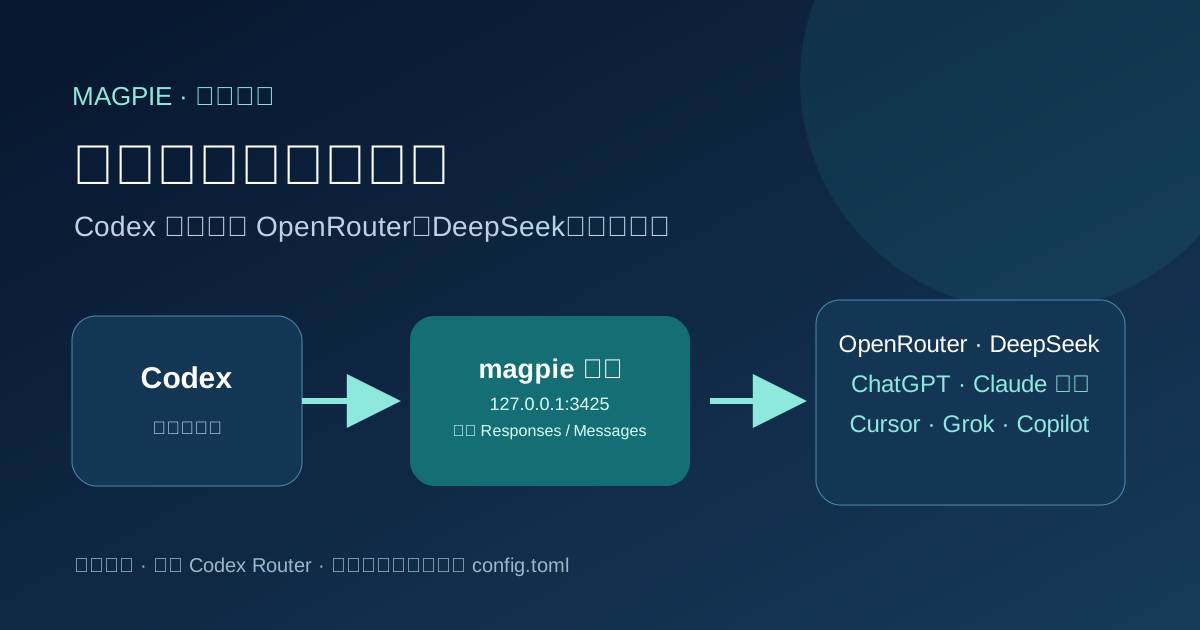
Codex on any model: magpie makes Codex Router unnecessary
magpie is a free, open-source menu bar app that runs a local gateway and puts OpenRouter, DeepSeek and your ChatGPT, Claude, Cursor, Grok and Copilot subscriptions right into Codex's own model picker, with one click and no Codex Router.
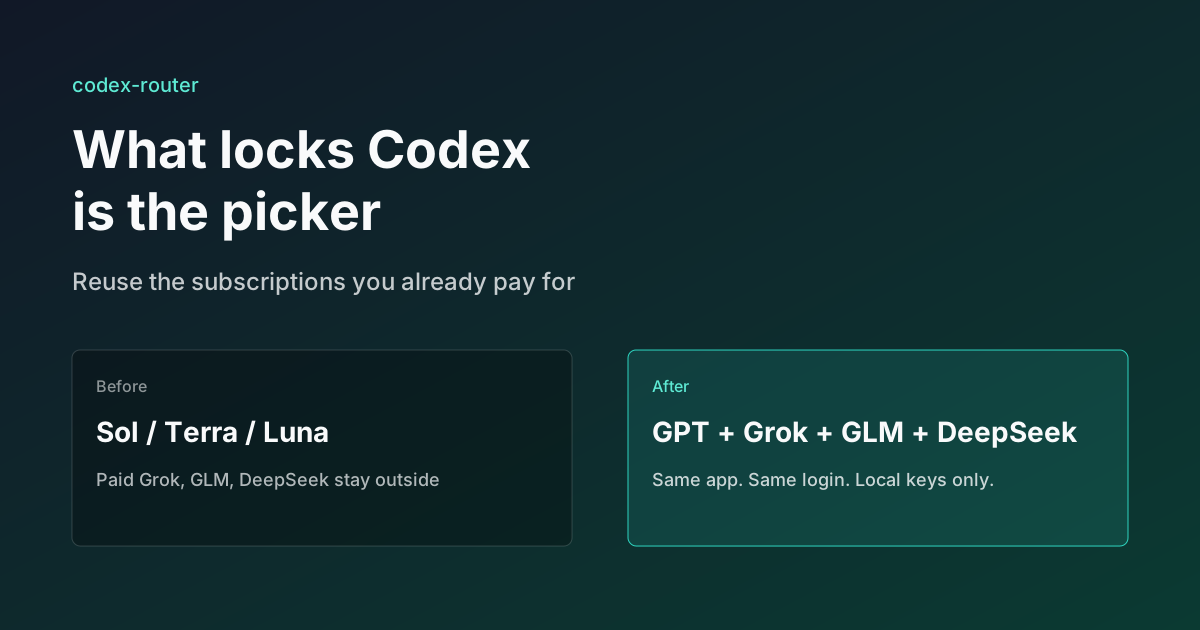
What Locks Codex Is the Picker, Not the Models
You already pay for OpenCode Go, Grok, and Z.ai, but the Codex picker still shows mostly GPT. The community project codex-router does not teach another install ritual. It puts subscriptions you already bought back into the selector, keeps keys on the machine, and leaves native GPT alone.
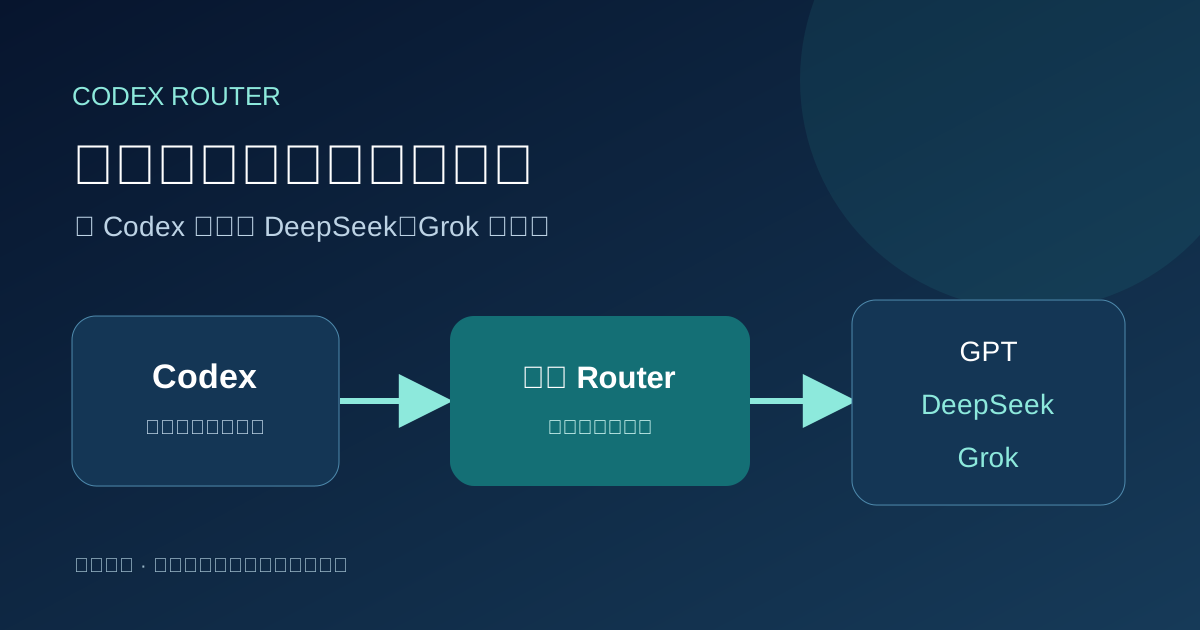
Running low on ChatGPT Codex quota? Switch to DeepSeek or Grok inside Codex
Codex Router lets you keep your Codex workspace while using DeepSeek, Grok, and other external models. A plain-English guide to routing, quotas, and network access.