

Brigade Stack
Brigade Stack is an MIT-licensed coordination layer for coding agents. It sits beside tools such as Codex, Claude Code, Cursor, and OpenCode rather than replacing them. Its goal is to put the work state outside any single chat: agents can read a shared brief, claim work, leave a handoff, and attach a verification receipt that another agent or a human can inspect.
What it coordinates
The project documents tasks, dependencies, ownership claims, handoffs, and evidence records. A verification receipt can retain the command, exit status, logs, and Git state behind a claim such as “tests pass.” That does not make an agent output correct, but it lets the next reviewer rerun or examine the stated check instead of trusting a conversation summary.
Brigade Stack can be used locally without a server. Its optional Fleet Hub is for shared ownership, presence, messaging, and model policy across machines. The documented stable release is v0.30.0; the main branch is described as a 0.31 preview line. It also documents read-only MCP servers for memory and skills, while hosted connectors require explicit setup.
A practical workflow
Start in a disposable Git branch with one narrow task. Install the supported npm bridge, use the documented dry run for a Codex-enabled repository, then inspect brigadestack work brief --target .. Before handoff, record a real project check, for example git diff --check or the repository test command, through brigadestack work verify run. A second agent should inspect the patch and rerun the check before merging.
This is useful when several agents work on related tasks and the team needs to distinguish an unclaimed task, a blocked task, and one backed by an actual command result. It is less useful for a single, short interactive prompt where a shared task ledger would be overhead.
Limits, safety, and alternatives
The software is open source, but it coordinates tools that may read repositories, execute commands, or use provider credentials. Keep model scopes and budgets small, use isolated worktrees, and require approval before a managed worker changes protected branches or handles production secrets. A receipt proves that a recorded command exited with a recorded result; it is not an independent security audit or a substitute for code review.
- Codex CLI is OpenAI's terminal coding agent.
- Claude Code is Anthropic's repository-focused terminal agent.
- Memdoor is a durable CLI workflow runner for coding and automation tasks.
Conclusion
Choose Brigade Stack when multi-agent coding work needs shared ownership and evidence rather than a collection of isolated chat histories. Begin with one reversible task and one verifiable command, then decide whether its local-first setup or Fleet Hub matches your team's operating boundary. See the official quickstart before connecting it to a working repository.
Sources
- Websitehttps://brigadestack.com
- Brigade Stack source repository and quickstarthttps://github.com/escoffier-labs/brigade
- Brigade Stack v0.30.0 releasehttps://github.com/escoffier-labs/brigade/releases/tag/v0.30.0
Comments
No comments yet. Be the first to comment!
Related Tools


Related Insights
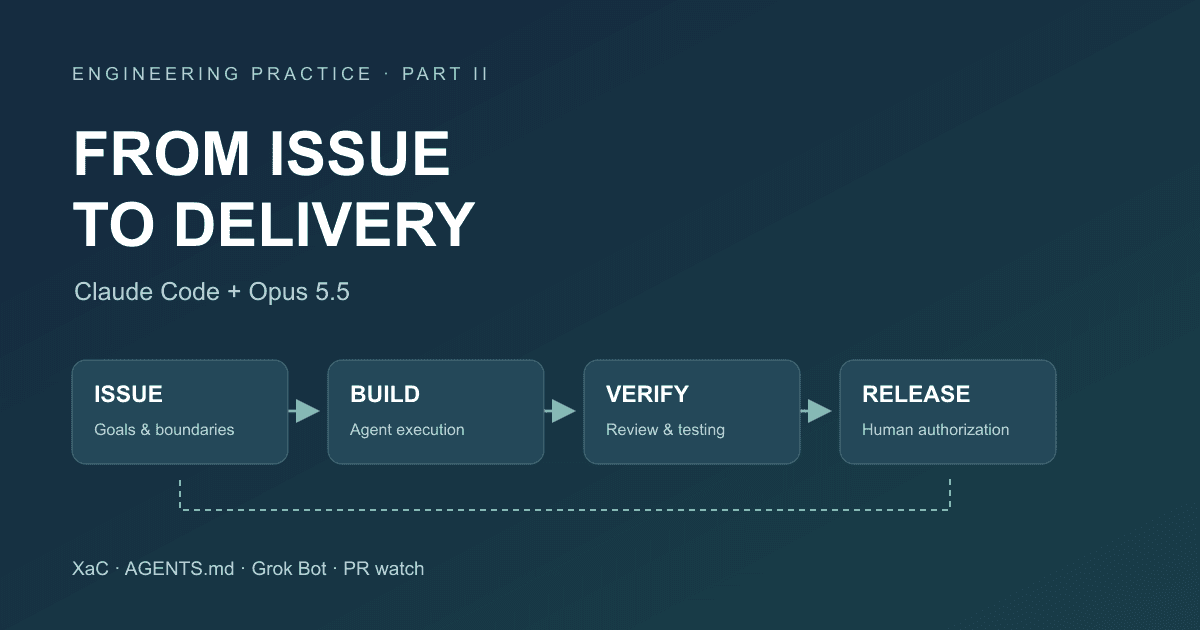
After Code Stopped Being Scarce (Part II): From AI Writing Code to AI Taking Part in Delivery
A year after leaving my previous employer, I document the delivery workflow for our financial business that we built around Claude Code and Opus 5.5: XaC, progressive rules, independent review and testing by Grok Bot, PR watch, and our actual delivery over the past three months.
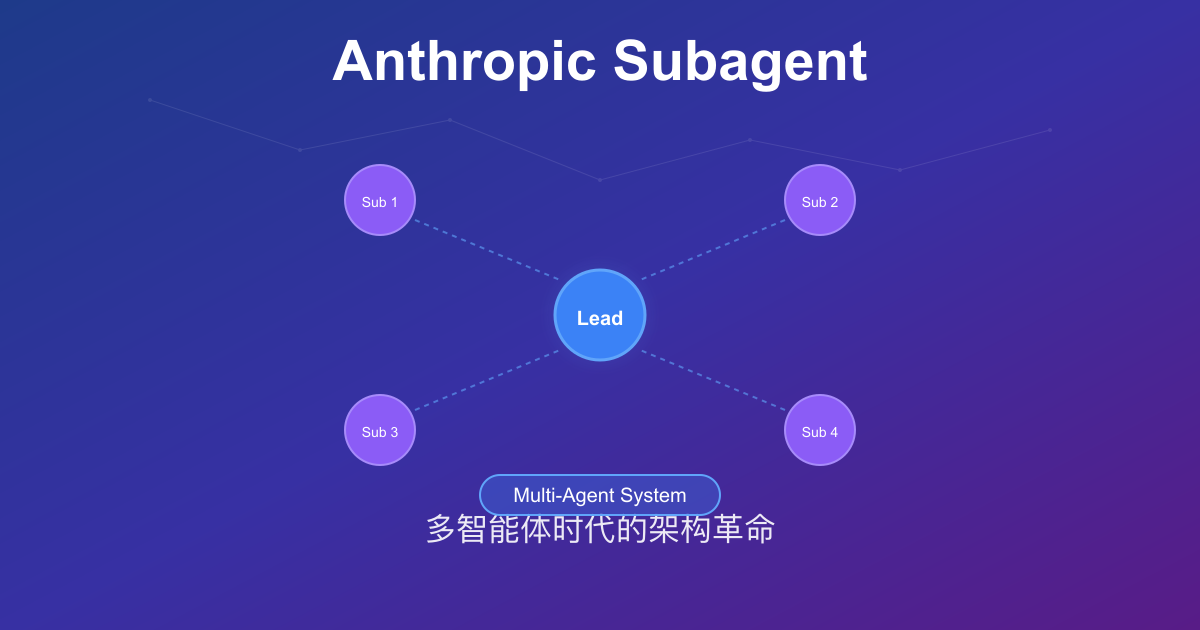
Anthropic Subagent: The Multi-Agent Architecture Revolution
Deep dive into Anthropic multi-agent architecture design. Learn how Subagents break through context window limitations, achieve 90% performance improvements, and real-world applications in Claude Code.
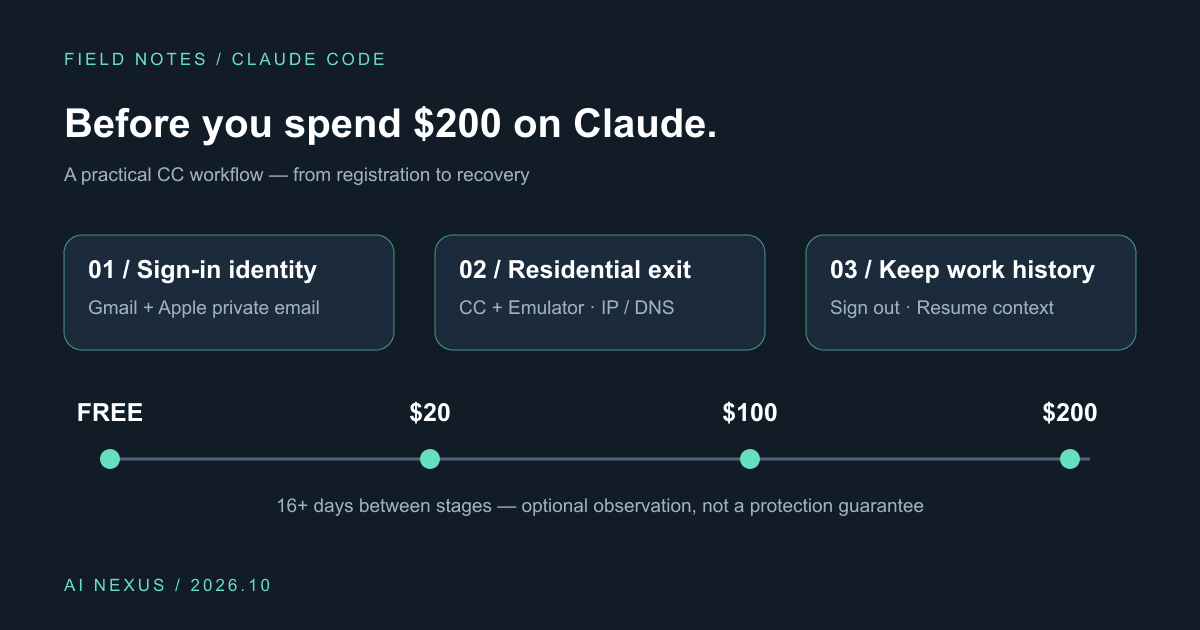
Claude Code account precautions: before you spend $200, do these six things
Gmail plus Apple private sign-in, Cliproxy residential routing for CC and emulators, IP/DNS checks, gradual upgrades, and history-preserving sign-out. Includes a profile and script.