

MiniMax M3.1 Flash
MiniMax M3.1 Flash is MiniMax's October 19, 2026 API model for agentic work, coding and computer use. The launch post describes it as a next-generation Flash model and makes it available through the MiniMax API, M Plan and MiniMax Code. This is not a downloadable model at launch: MiniMax says weights will be released later. Treat it as a hosted integration until a specific weight package and license are published.
What it offers
- Agent and coding focus: MiniMax positions M3.1 Flash for multi-step SaaS workflows, software development, tool calling and computer use. Its benchmark results are vendor claims, not an independent comparison.
- Fast hosted inference: the company says everyday output can exceed 200 tokens per second and reports a 170+ TPS median. Measure latency with your own prompts, region and concurrency before setting an SLA.
- Flat token prices: MiniMax lists $0.15 input, $0.60 output and $0.015 cached input per million tokens, without a published context-band split on the launch page.
- Three entry points: API is the programmable route; M Plan and MiniMax Code are product surfaces for interactive use.
Practical workflow
Start with a read-only coding or browser task that has a known expected result. Keep tool permissions narrow, log the model name and token usage, and compare successful completion, retries and latency against the model currently in production. For a coding agent, test issue reproduction, a small patch and the test run separately rather than granting write access on the first call.
Limits and buying notes
The announcement's "70% lower" cost and benchmark positions are MiniMax's comparisons with its predecessor, not a guarantee for a particular workload. The page does not make a released weight checkpoint available, so do not plan for offline deployment or assume the hosted price is a total workflow cost. Account for tool execution, retries, context retention and any third-party integration charges.
Getting started
- Read the official launch post.
- Create a constrained API evaluation with the exact
MiniMax-M3.1-Flashmodel name shown in the provider's current documentation. - Enable prompt caching only after confirming cache semantics and retention for your account.
- Recheck the official page before production rollout because availability, pricing and the promised weights can change.
Alternatives
- MiniMax M3: the earlier MiniMax long-context model in this catalog.
- Claude Opus 5: an alternative hosted coding model.
- GPT-6.1 Sol: another API route to evaluate for coding agents.
Conclusion
M3.1 Flash is a hosted MiniMax option for teams optimizing agent and coding throughput. Validate it on a bounded workflow first, use the posted token rates as API pricing rather than a total-cost forecast, and wait for an actual weight release before designing a self-hosted plan.
Comments
No comments yet. Be the first to comment!
Related Tools


Related Insights

Grok Bot and Hermes Bot: one person finally gets a think tank and a secretariat
Grok Bot now ships with Cursor Pro+. Hermes Bot runs on a VPS. They are not smarter chat boxes. The think tank advises, the secretariat executes, and you still make the call.
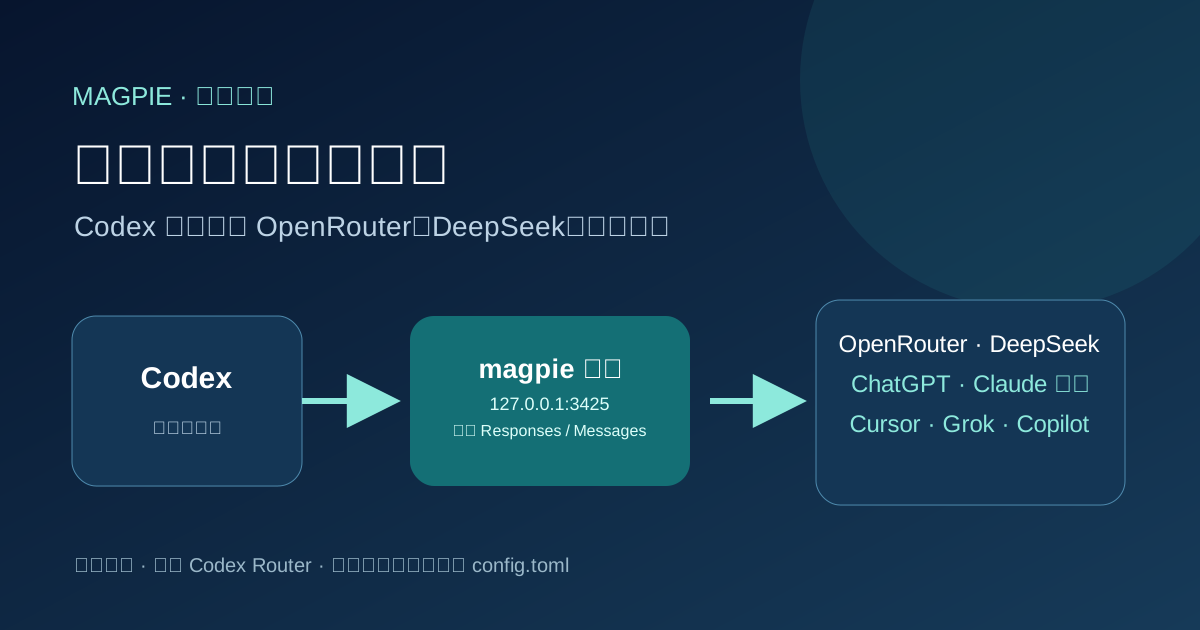
Point Codex at any model with magpie
Install magpie, add a local or signed-in provider, then switch Codex to that model. Rechecked against official magpie docs on 2026-10-06.
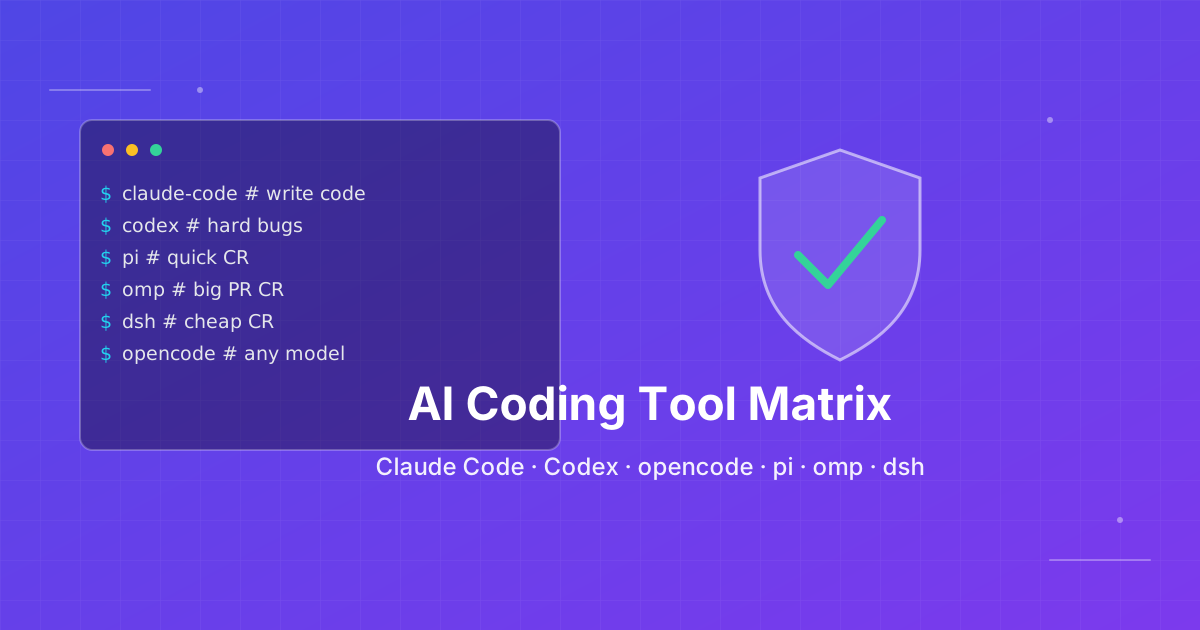
How to pick an AI coding CLI for your repo
Match Claude Code, Codex CLI, OpenCode, Pi, omp, DeepSeek Harness, and Grok Build to the work you actually run. Docs rechecked 2026-10-06.